Balanced Market
Los Altos Hills, CA
Homes for Sale
Expert local guidance backed by real-time market intelligence. Whether you’re buying your first home or selling a longtime residence in Los Altos Hills, data-driven decisions start here.
Welcome to Los Altos Hills
Incorporated 1956

Los Altos Hills, California
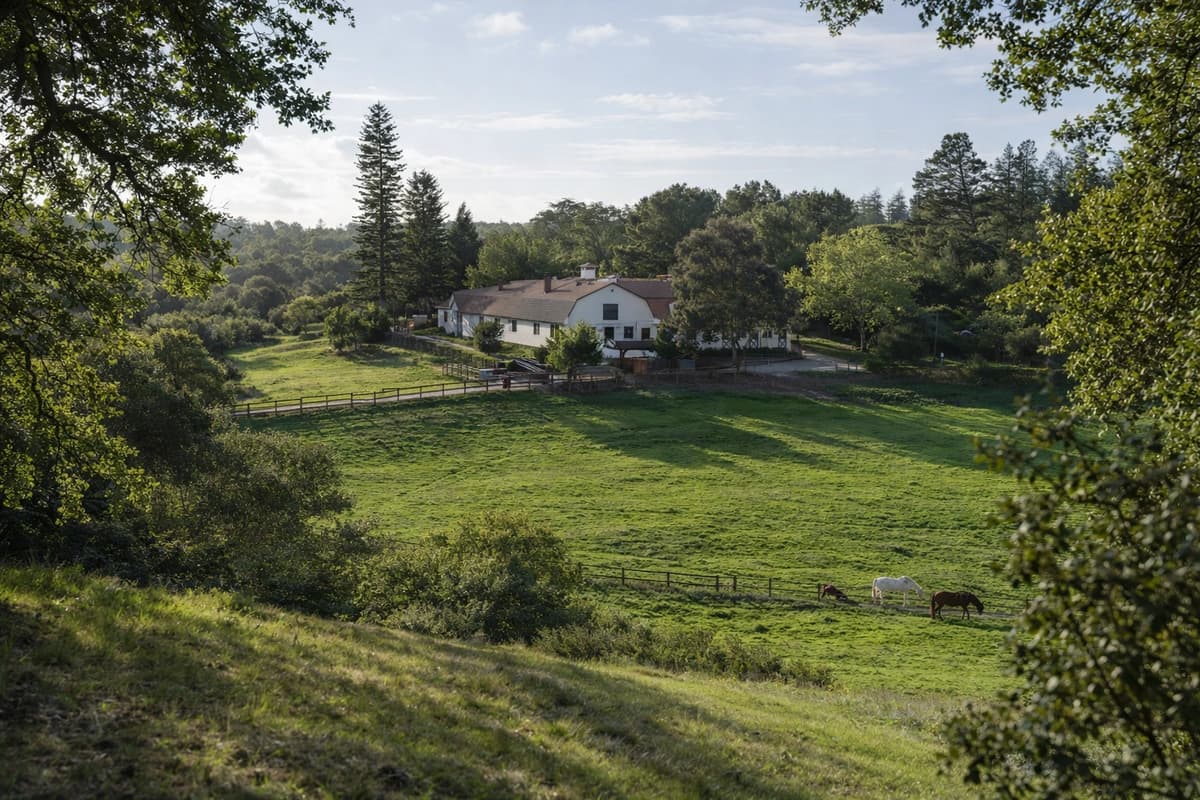
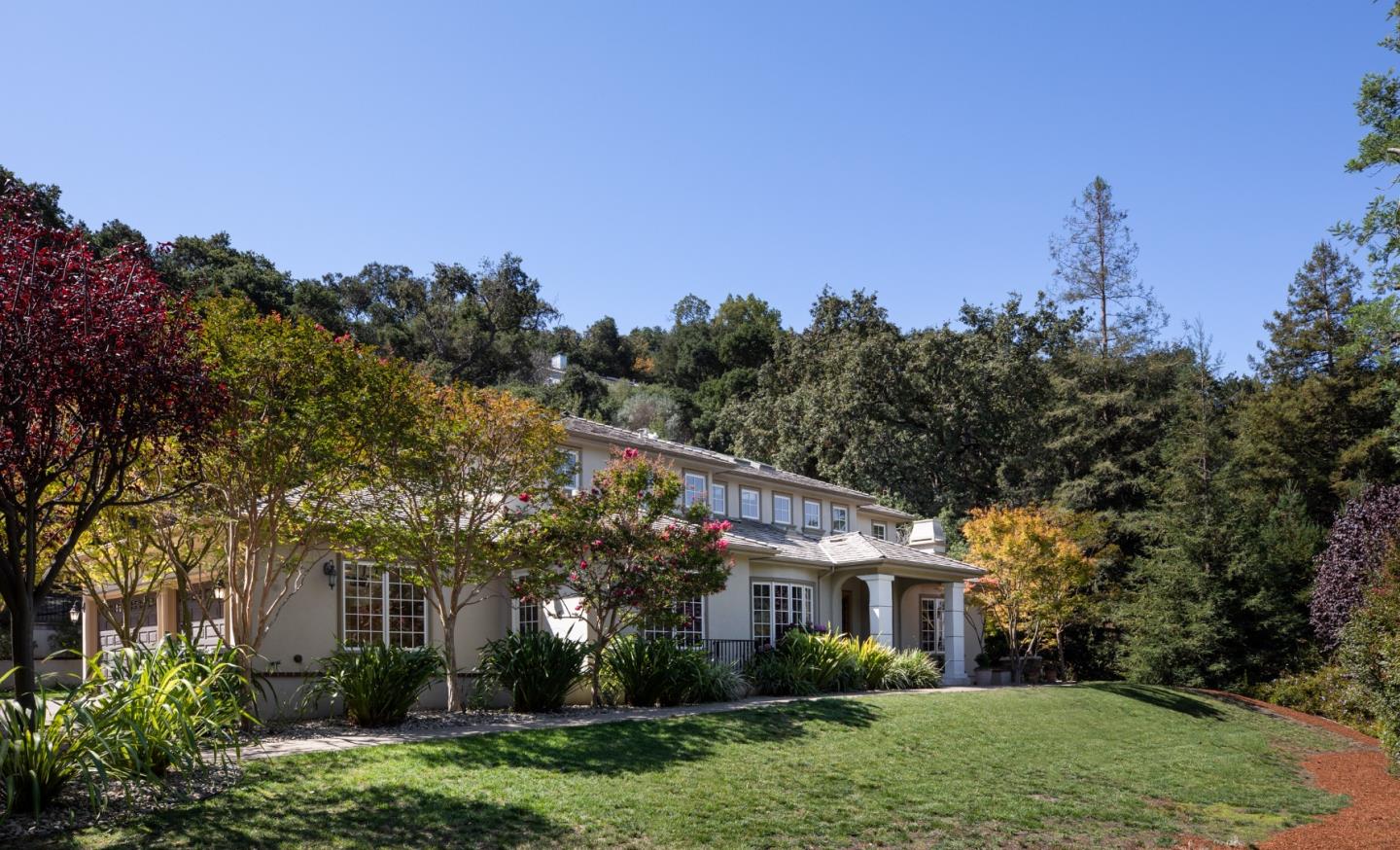
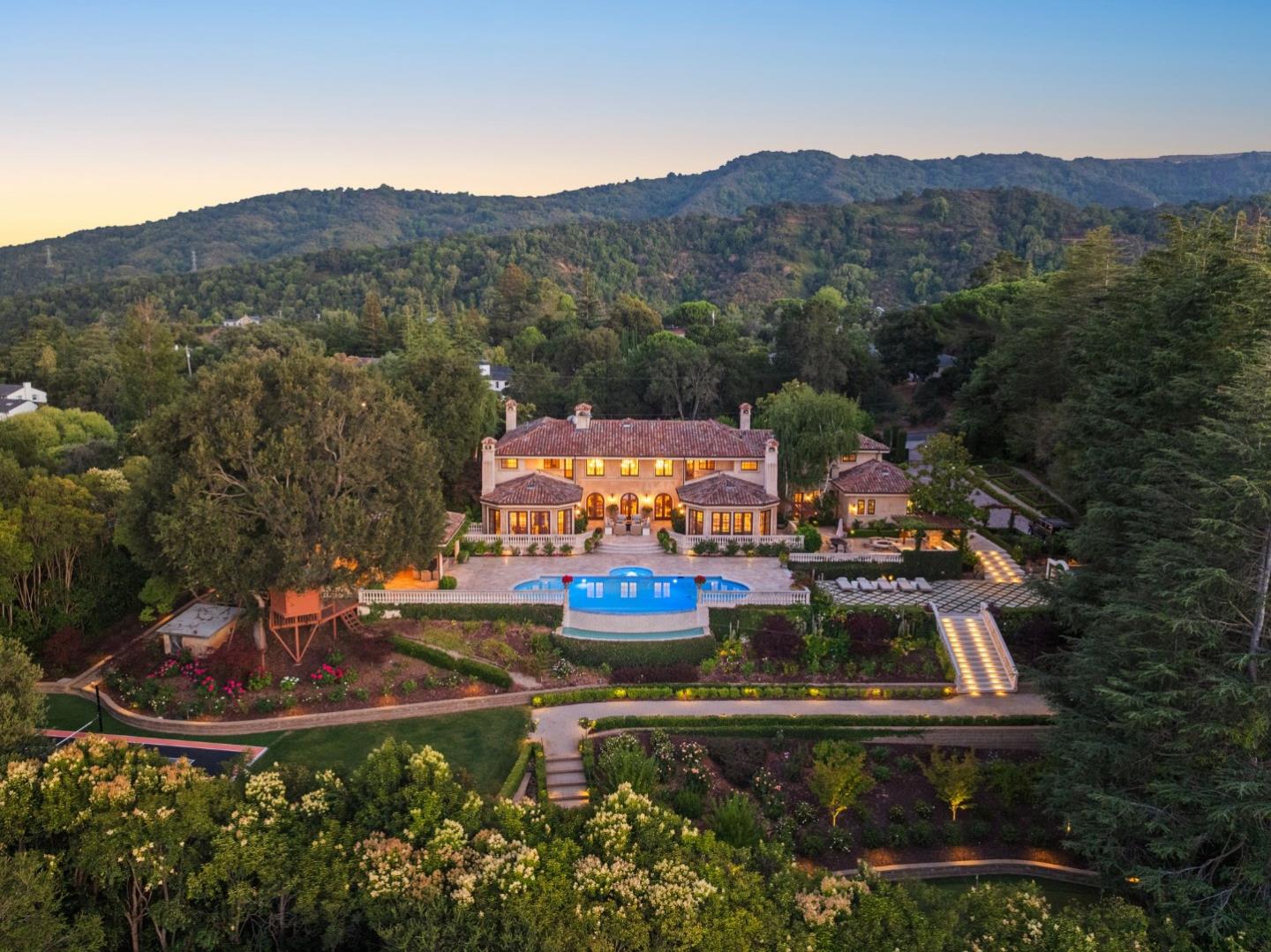
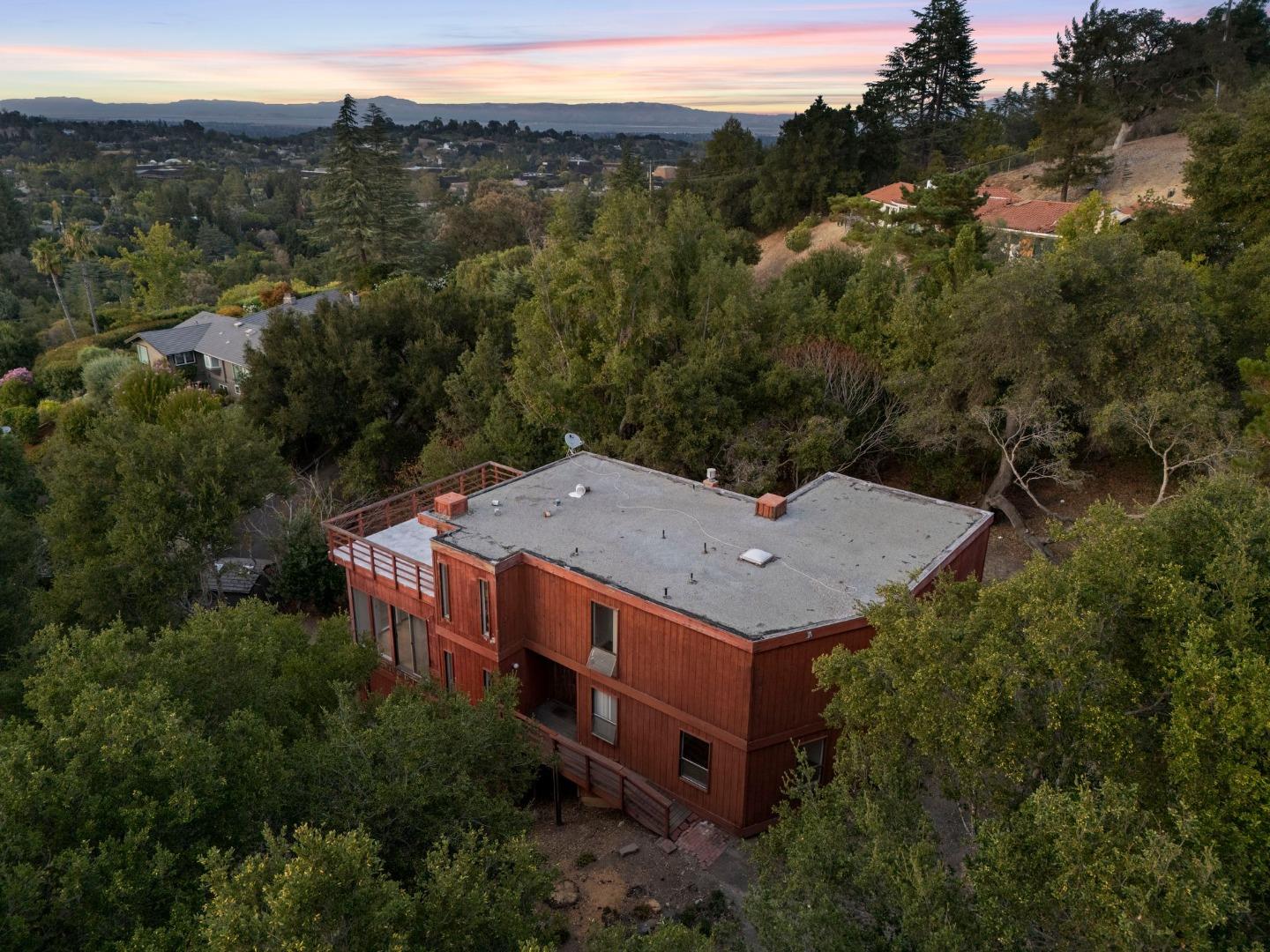
Los Altos Hills occupies 9.1 square miles of elevated terrain in the Santa Cruz Mountains foothills, with most properties situated between 400 and 800 feet in elevation. The town of 8,490 residents maintains a distinctly rural character despite its location in the heart of Silicon Valley, bordered by Los Altos to the east, Palo Alto to the north, Mountain View to the northeast, and Cupertino to the south. Incorporated in 1956 as a residential community, Los Altos Hills has no commercial zones, no sidewalks, and no streetlights—deliberate choices that preserve its semi-rural atmosphere. The terrain features rolling hills, oak woodlands, and winding roads that create privacy and separation uncommon in the densely developed Bay Area.
Access to major employment centers follows predictable peninsula patterns. Highway 280 runs along the town’s western edge, providing the primary commute corridor south to Cupertino and San Jose or north toward San Francisco. El Monte Road and Foothill Expressway connect residents to Highway 280, while Moody Road and Cristo Rey Drive provide eastern access to El Camino Real and ultimately Highway 101. Most residents travel to neighboring cities for shopping and services—downtown Los Altos lies approximately 10 minutes away, while Stanford Shopping Center in Palo Alto sits about 15 minutes north. The absence of retail within town limits means daily errands require short drives to Los Altos, Mountain View, or Cupertino.
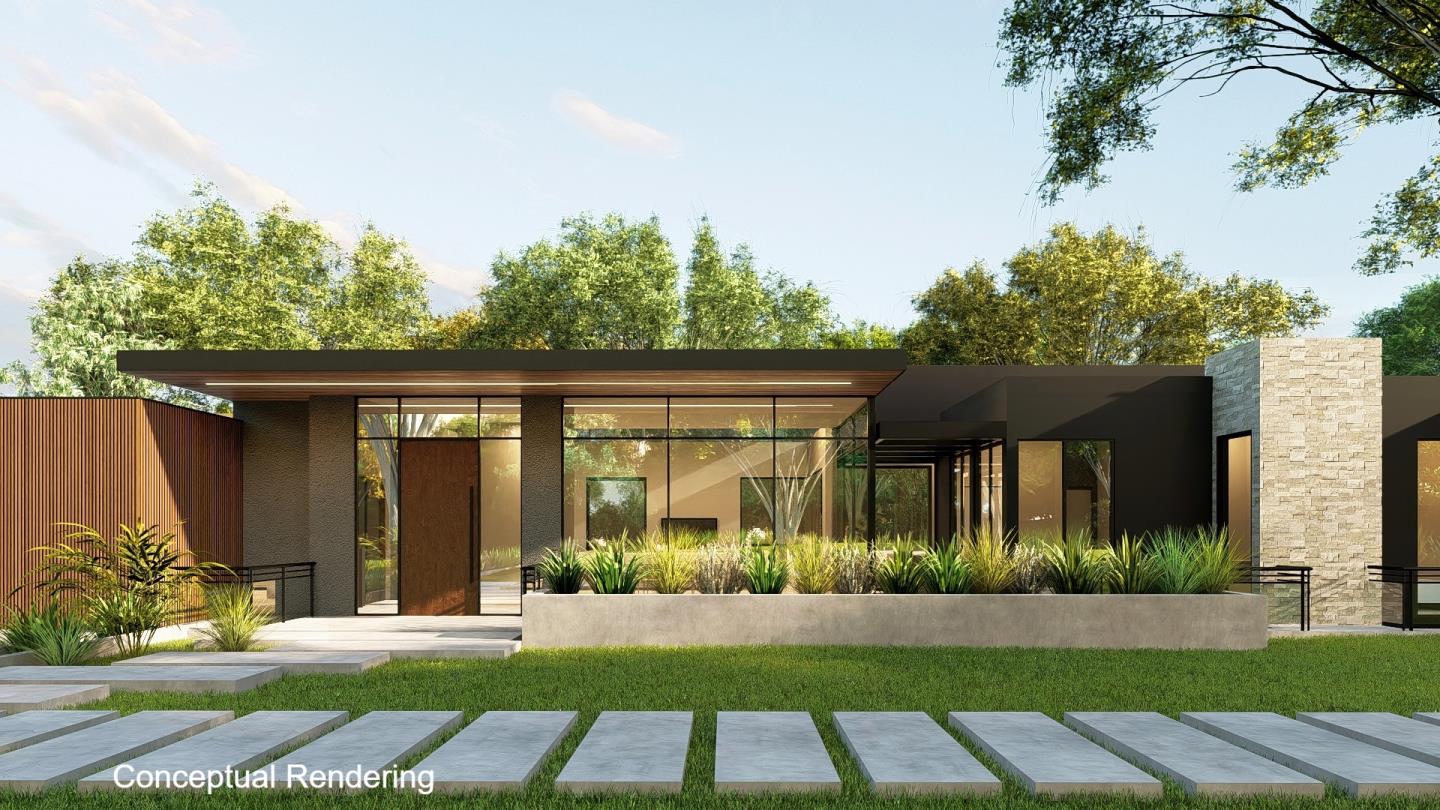
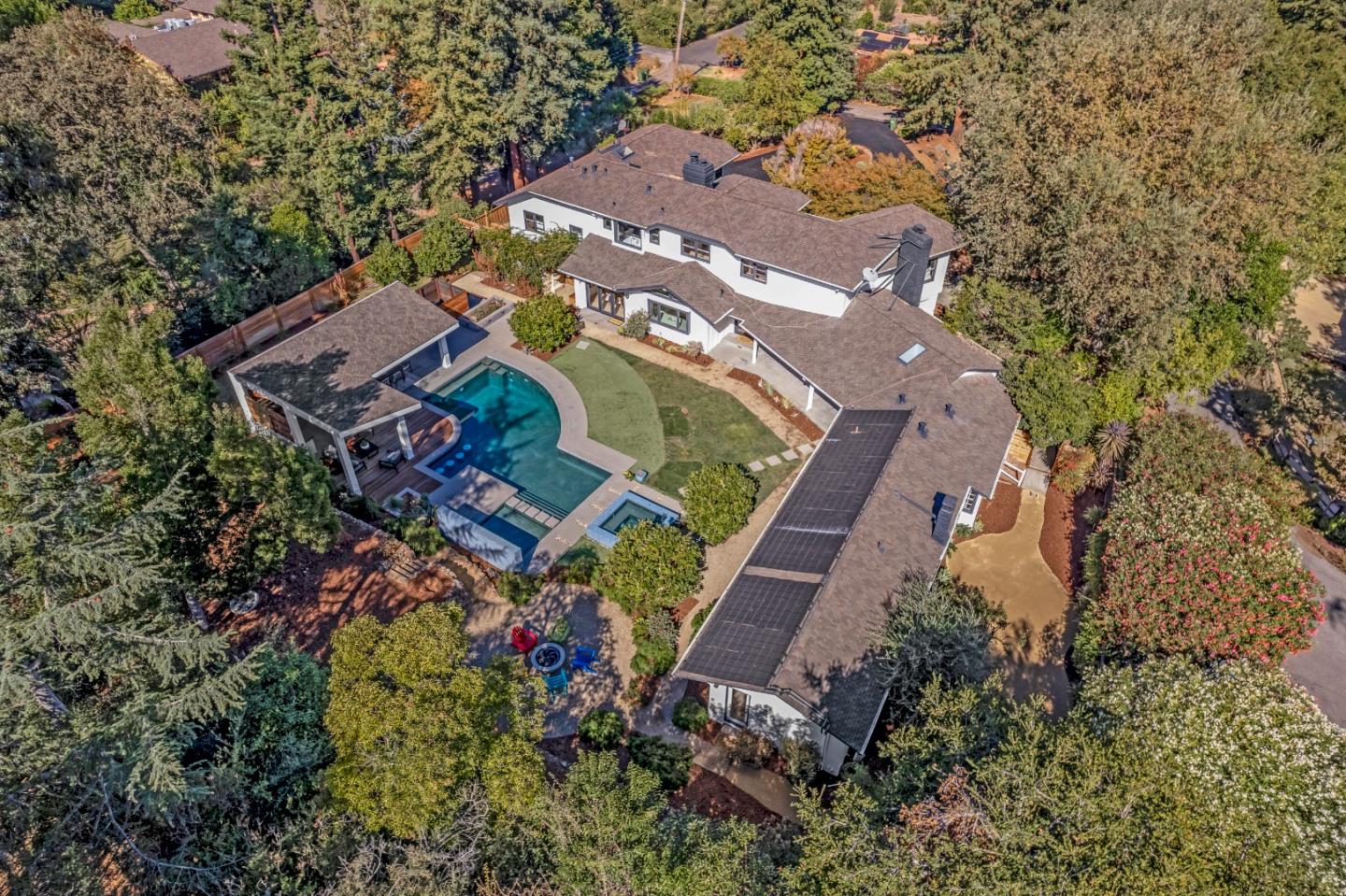
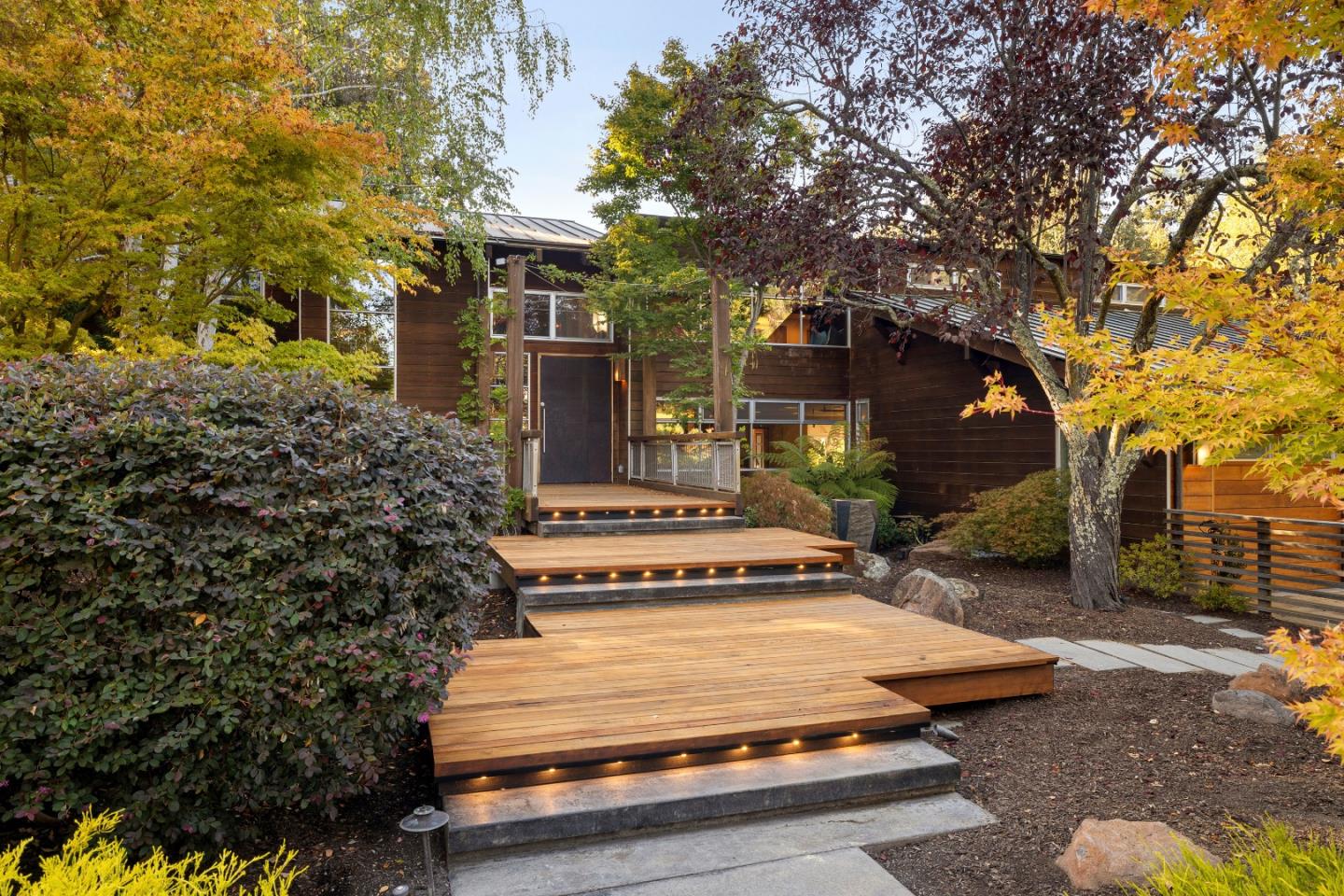
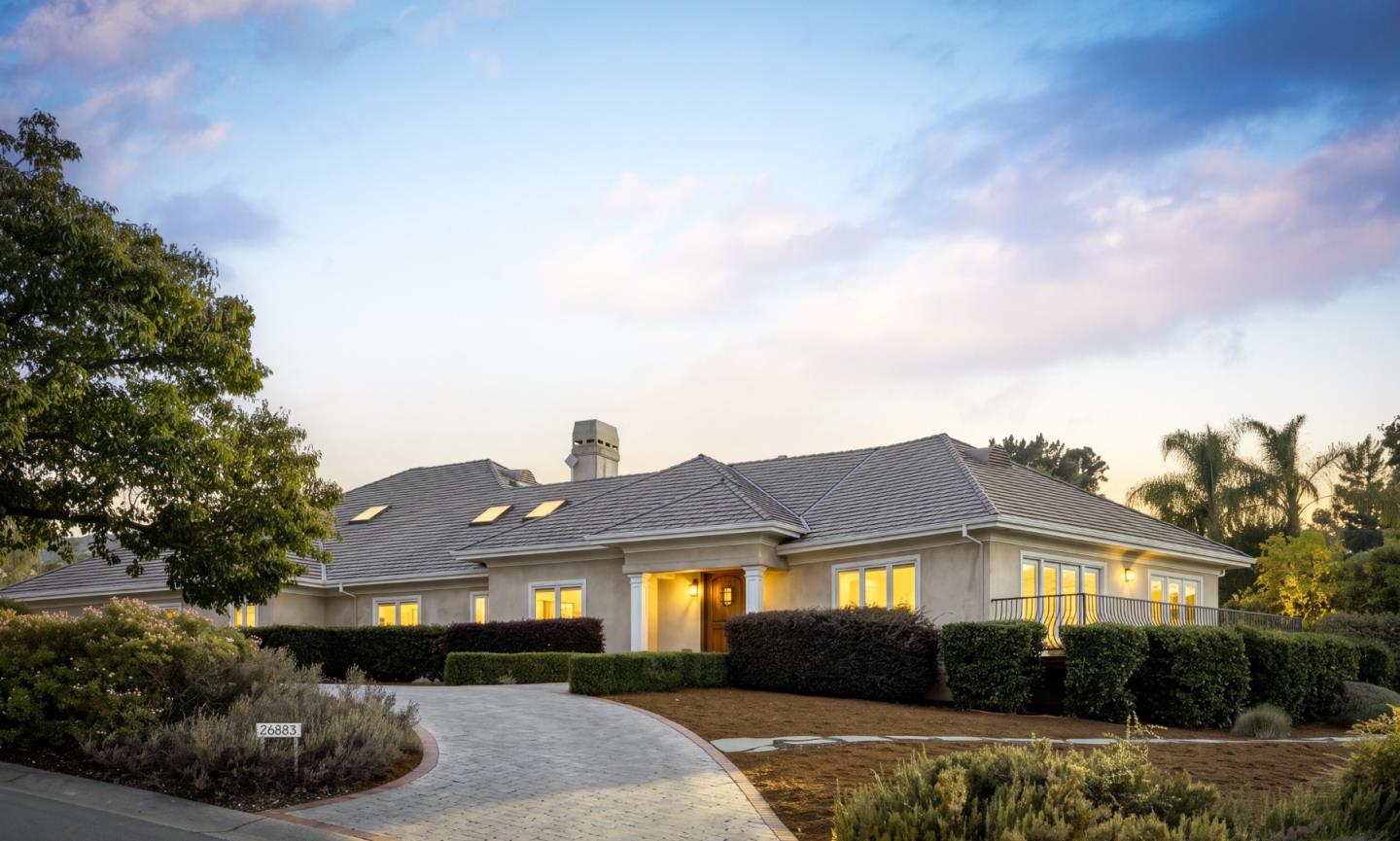
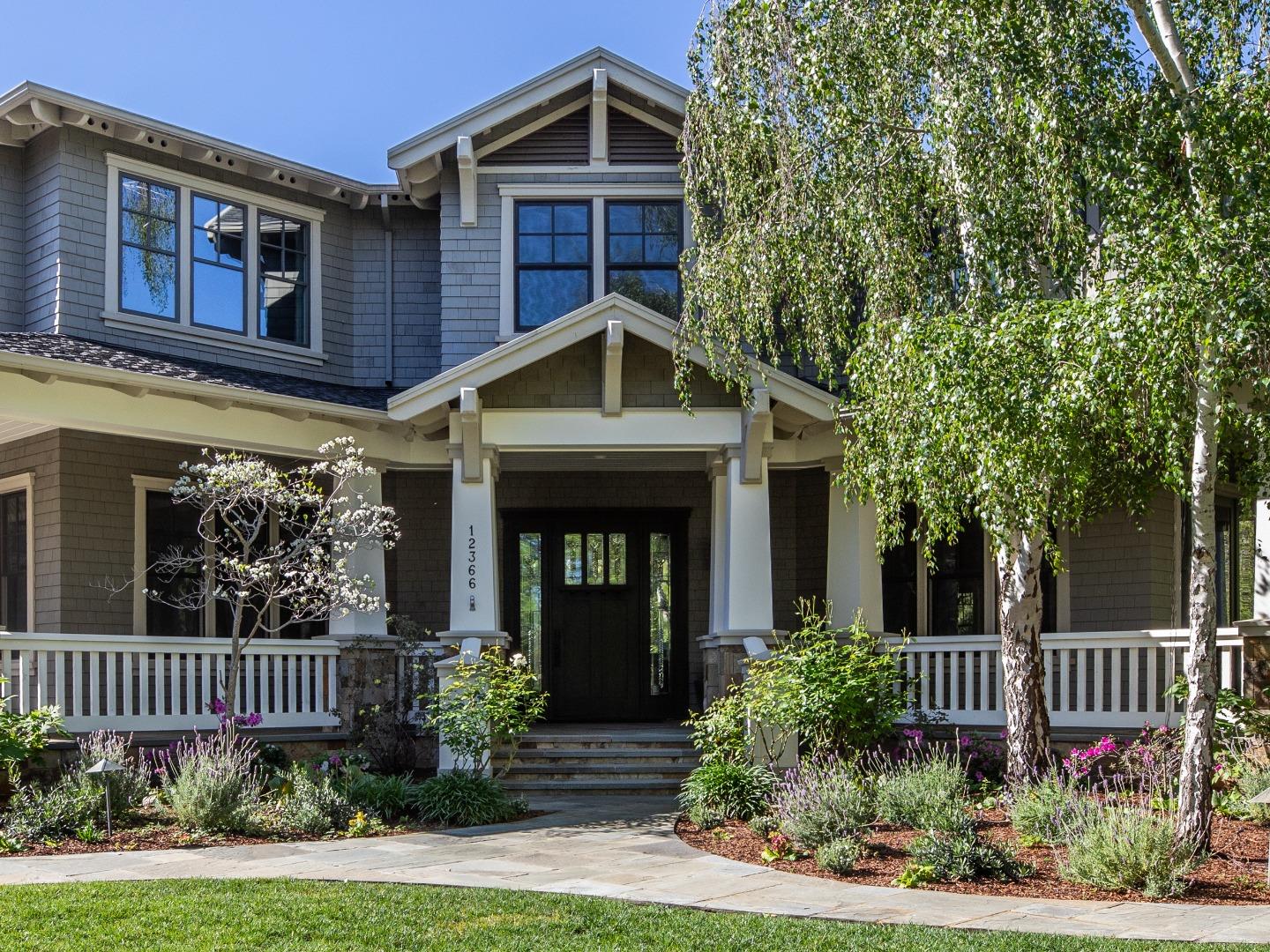
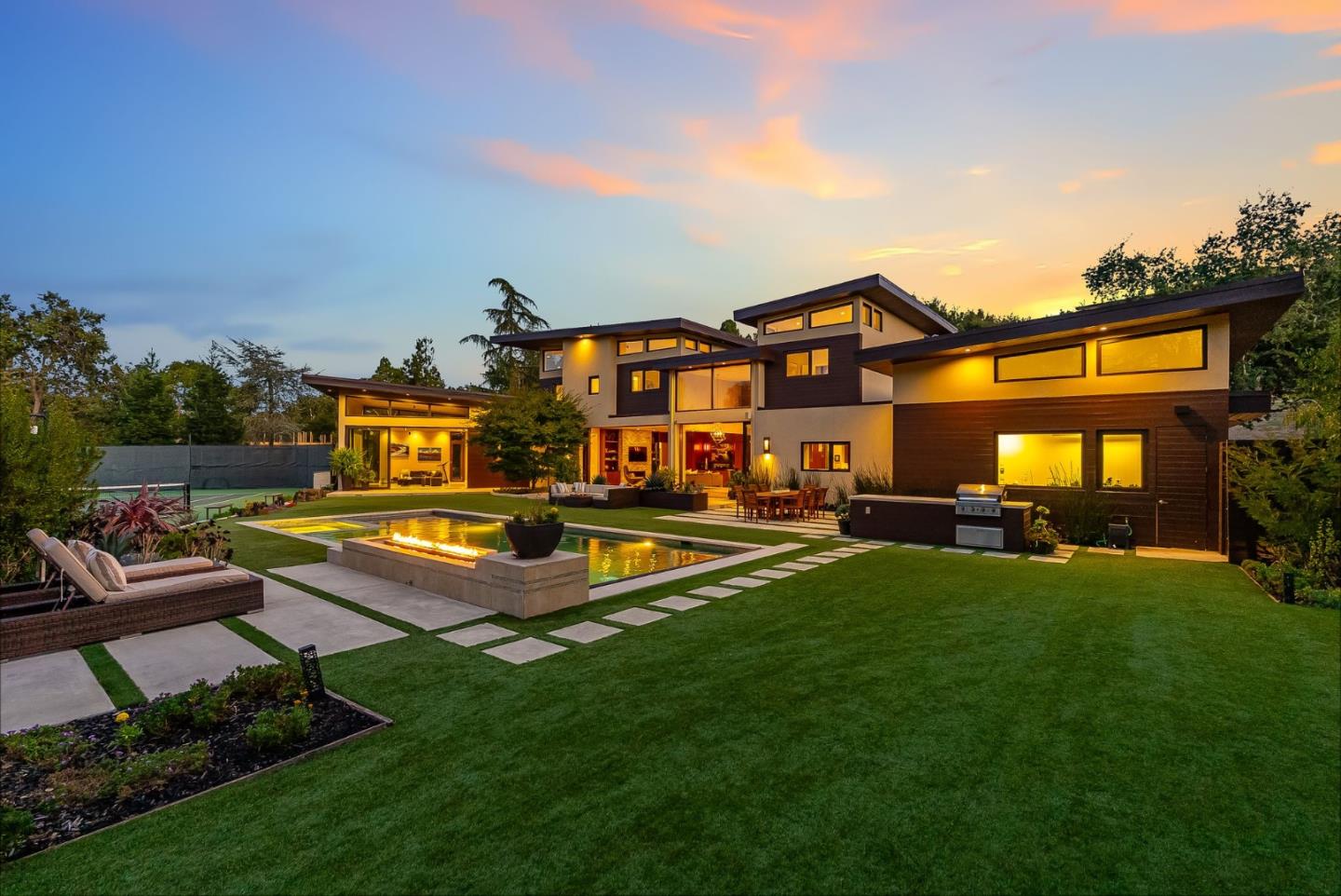
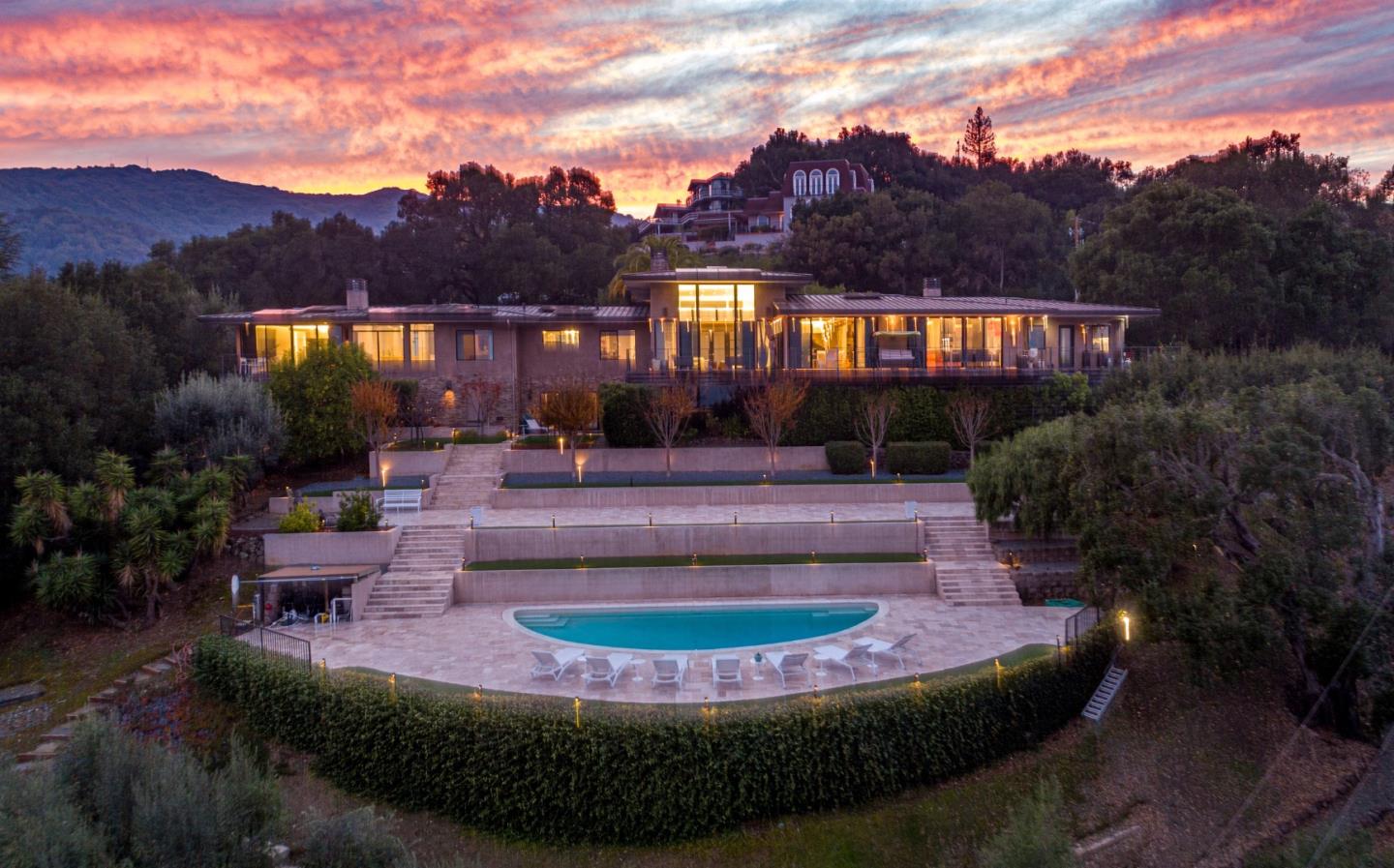
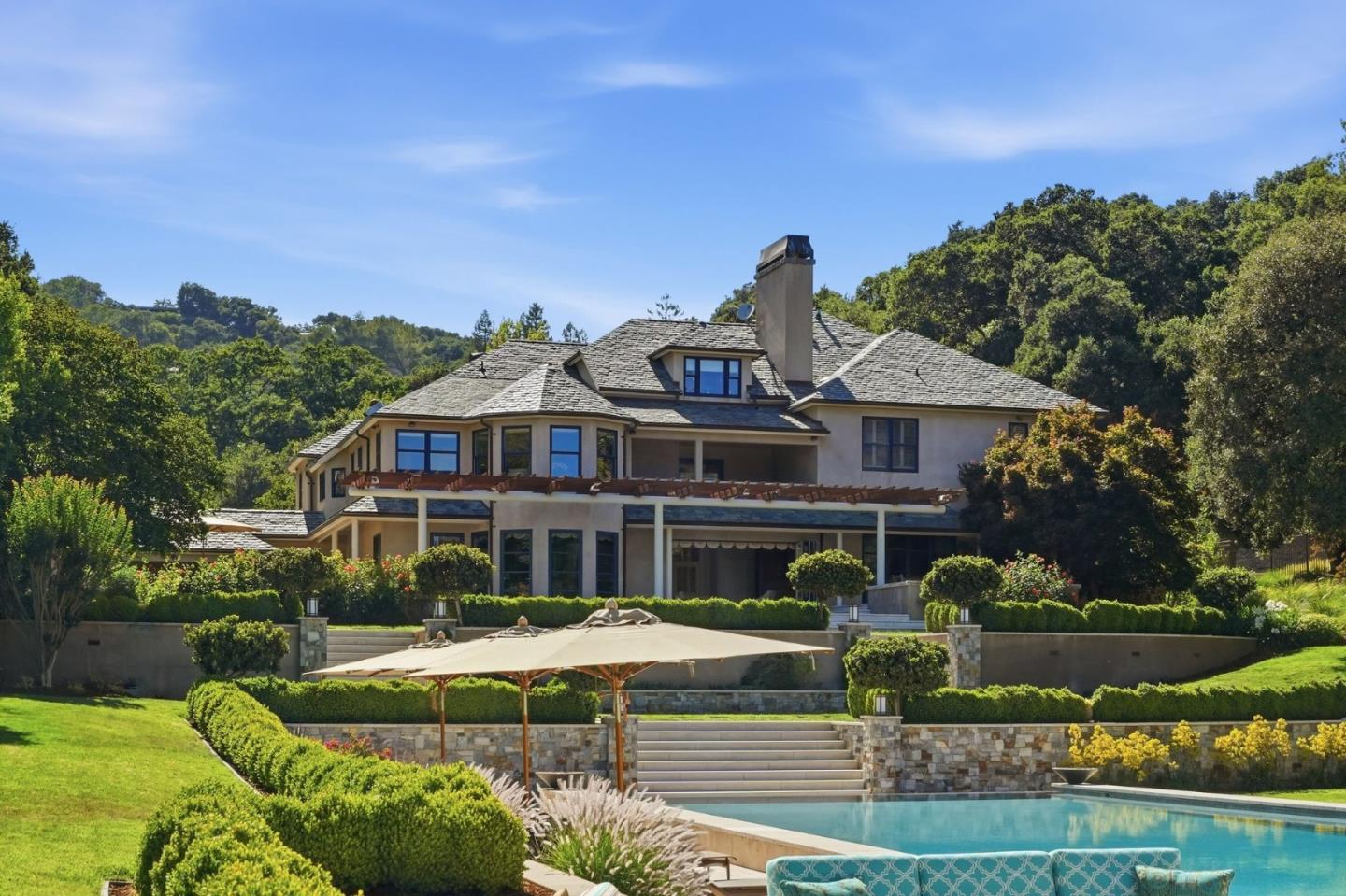
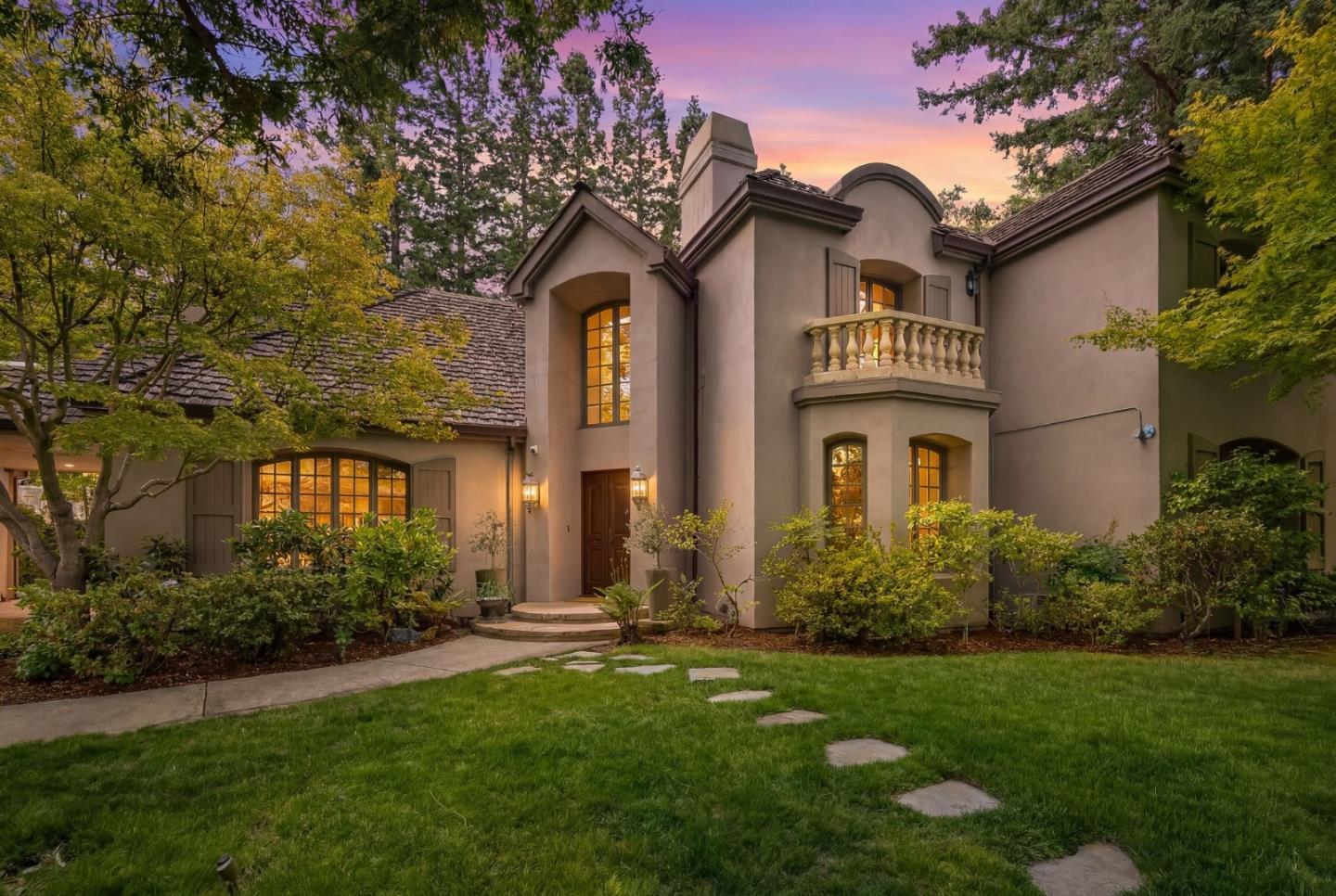
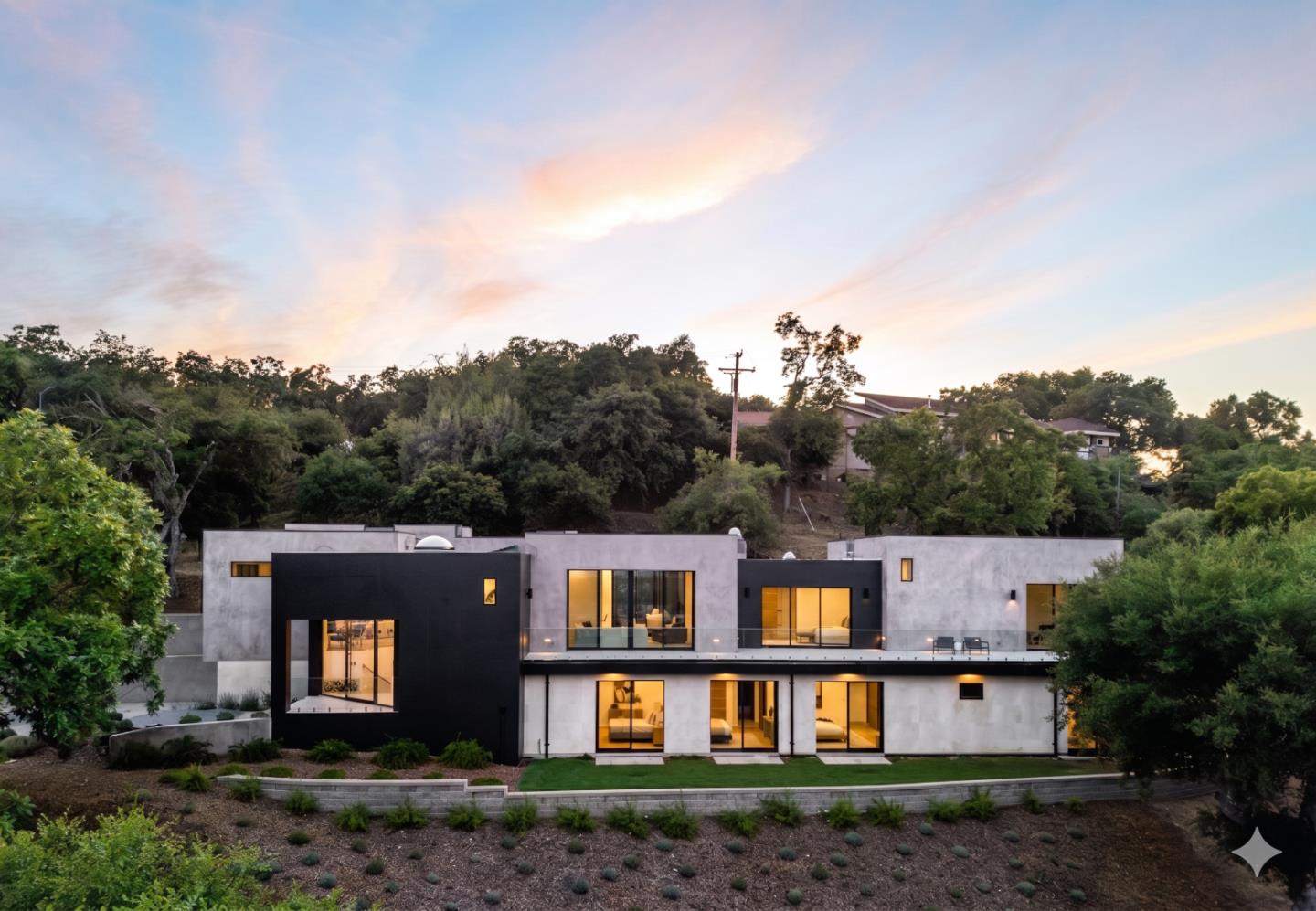
The housing stock consists almost entirely of single-family homes on large lots, typically ranging from one to several acres. Los Altos Hills enforces minimum lot sizes and building restrictions that prevent subdivision and maintain low density throughout the community. Properties range from ranch-style homes built in the 1960s and 1970s to contemporary custom estates, many taking advantage of valley or mountain views. The median household income of $337,000 reflects the community’s demographic composition, with current MLS data showing an average sale price of $5.22 million and 49 days on market. Zoning allows horse-keeping on appropriately sized parcels, and many properties include equestrian facilities, vineyards, or extensive landscaping.
Why Buyers Choose Los Altos Hills
Buyers select Los Altos Hills for privacy, space, and exclusivity within close proximity to Silicon Valley employment. The town offers large parcels and architectural freedom unavailable in neighboring cities, appealing to those who prioritize land ownership and custom home construction. Families value the highly-rated Los Altos School District, which serves the community alongside the Palo Alto Unified School District, depending on location. The combination of rural setting, lack of through-traffic, and proximity to major tech campuses creates an unusual value proposition—residents can maintain horses or vineyards while working 15 minutes away in Palo Alto or Mountain View. The town’s restrictive zoning and limited inventory keep supply constrained relative to demand from high-earning technology executives and entrepreneurs seeking compounds and estates rather than traditional suburban lots.
Los Altos Hills Real Estate: What the Data Says
Market Overview: Los Altos Hills Luxury Real Estate
Los Altos Hills presents a nuanced luxury market currently in transition. With an average sale price of $7.08M and properties moving in 37 days, this remains a high-velocity market for ultra-premium real estate, yet the -9.8% year-over-year decline signals a definitive cooling from the frenzied conditions of recent years. The sale-to-list ratio of 101.7% indicates that while properties are selling near asking price, the days of routine bidding wars are largely behind us. Most telling is the gap between average list price ($7.05M) and average sale price, suggesting that sellers anchoring at aspirational price points are either withdrawing listings or accepting significant reductions to close transactions.
The 2.0 months of inventory positions Los Altos Hills in balanced territory—neither the extreme seller’s market of sub-2.0 months inventory nor a pronounced buyer’s market exceeding 2.0 months. This equilibrium creates opportunity for both sides: buyers gain negotiating leverage they lacked in previous years, while sellers with properly priced, well-presented properties can still command premium values in one of Silicon Valley’s most coveted enclaves. The 49-day absorption rate confirms that quality assets move decisively when priced to reflect current market realities rather than 2021-2022 peak valuations.
For Buyers: What You Need to Know
This represents the most favorable buying environment in Los Altos Hills in over three years. The -9.8% year-over-year price decline and 2.0 months of inventory provide genuine negotiating leverage—expect to submit offers below list price and incorporate inspection contingencies that were impossible during the pandemic boom. The $7.05M average list price versus $7.08M average sale price disparity reveals that many sellers remain psychologically anchored to outdated valuations; target properties that have undergone price reductions or have been listed beyond 37 daysfor maximum negotiating advantage. With homes averaging 37 days on market, you have time to conduct thorough due diligence without fear of losing properties to competing offers within 24 hours. Focus on properties priced realistically from the start, as these will approach the 101.7% sale-to-list ratio, while overpriced listings create opportunities for 10-15% below-ask negotiations.
For Sellers: Maximizing Your Sale Price
Pricing strategy is paramount in this recalibrated market. The 101.7% sale-to-list ratio rewards sellers who price accurately from day one, while the enormous gap between average list and sale prices punishes aspirational pricing with extended market time and eventual capitulation. To achieve a sale within the 49-day average, engage a comparative market analysis that reflects recent closed transactions, not outdated peak-market comps. The 2.0 months of inventory means buyers have options—differentiate through professional staging, pre-inspection reports, and flexible terms rather than testing the market with inflated pricing. Accept that the -9.8% year-over-year decline is market reality, not a temporary aberration; properties priced 5-9.8% below recent comparable sales will generate multiple offers and potentially drive final prices back to market value, while overpricing guarantees a series of demoralizing reductions. In Los Altos Hills’ rarefied air, the homes that sell closest to list price are those that acknowledge current market conditions while showcasing the lifestyle premium buyers seek in this elite community.
Balanced
Buyer’s Market