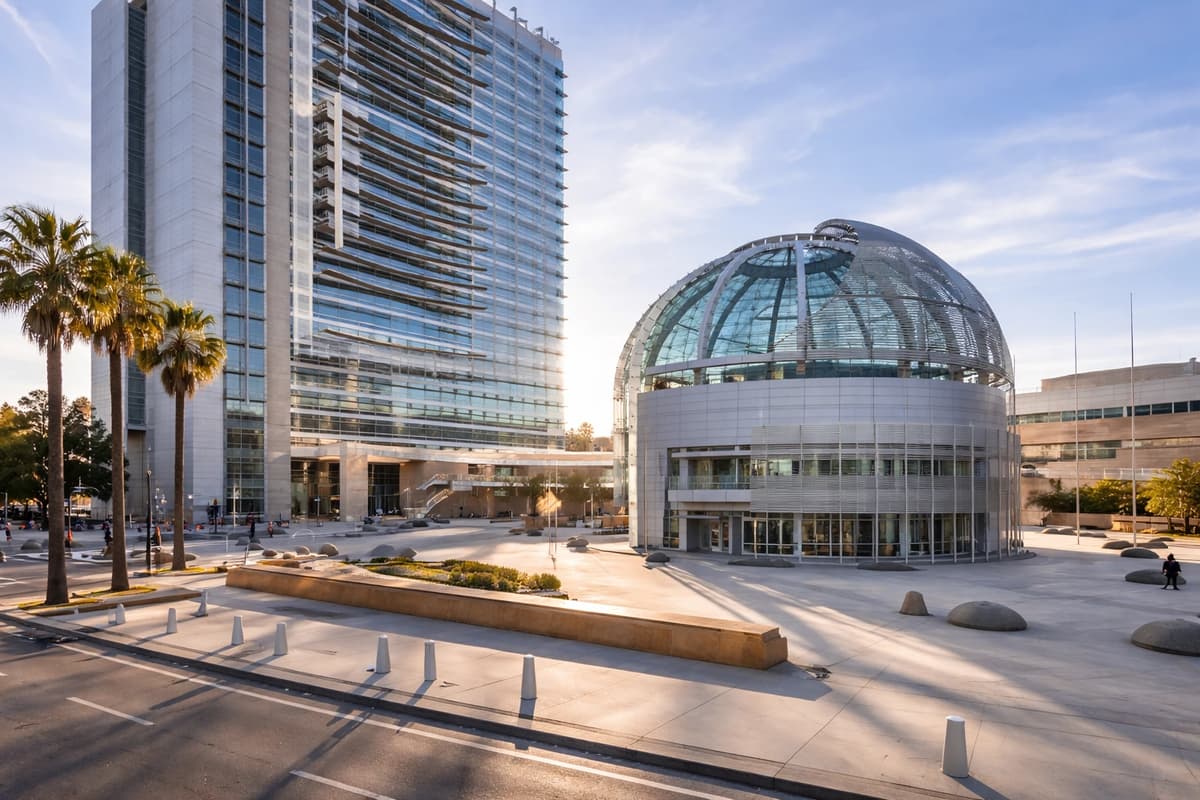
Current San Jose Homes for Sale
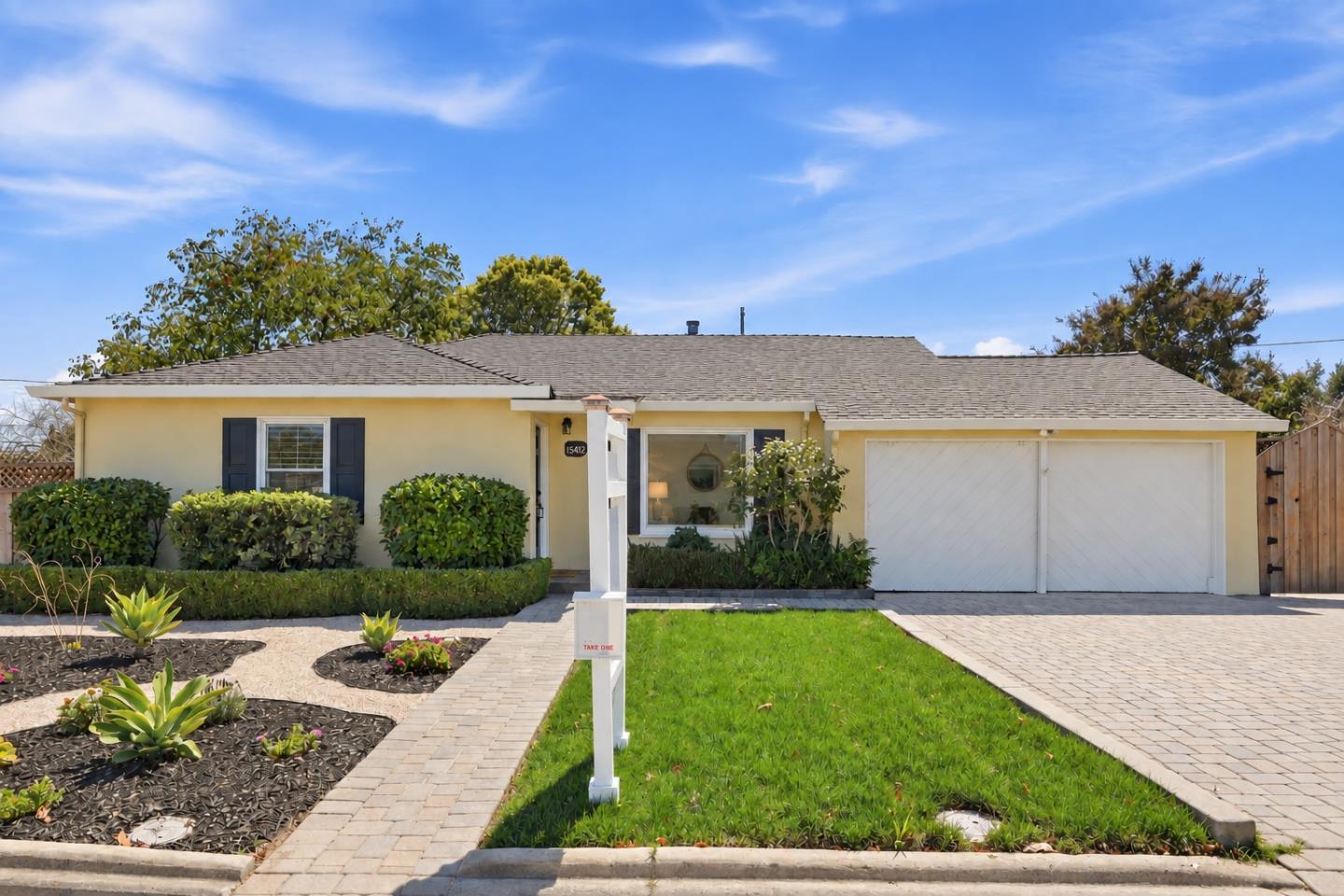
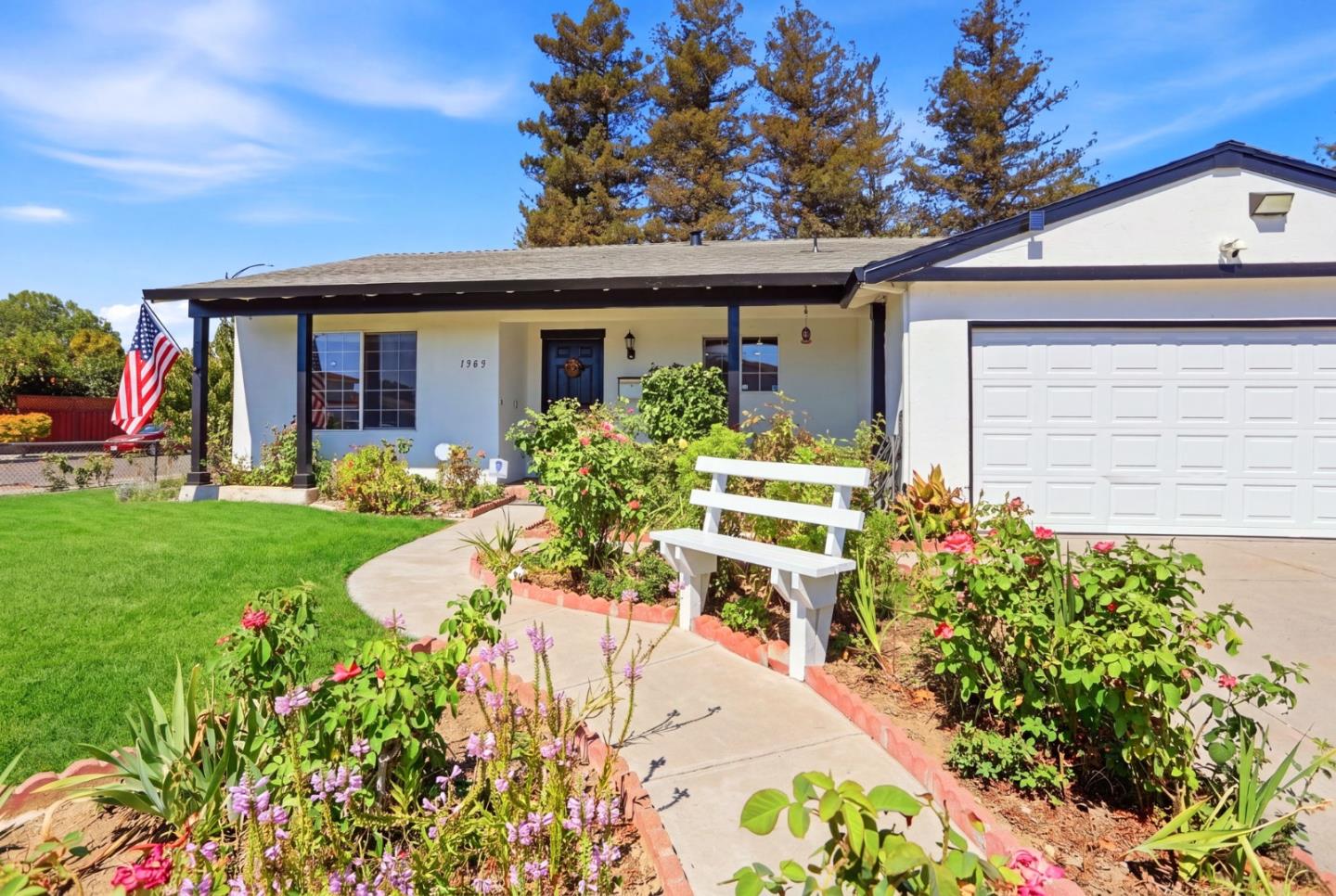
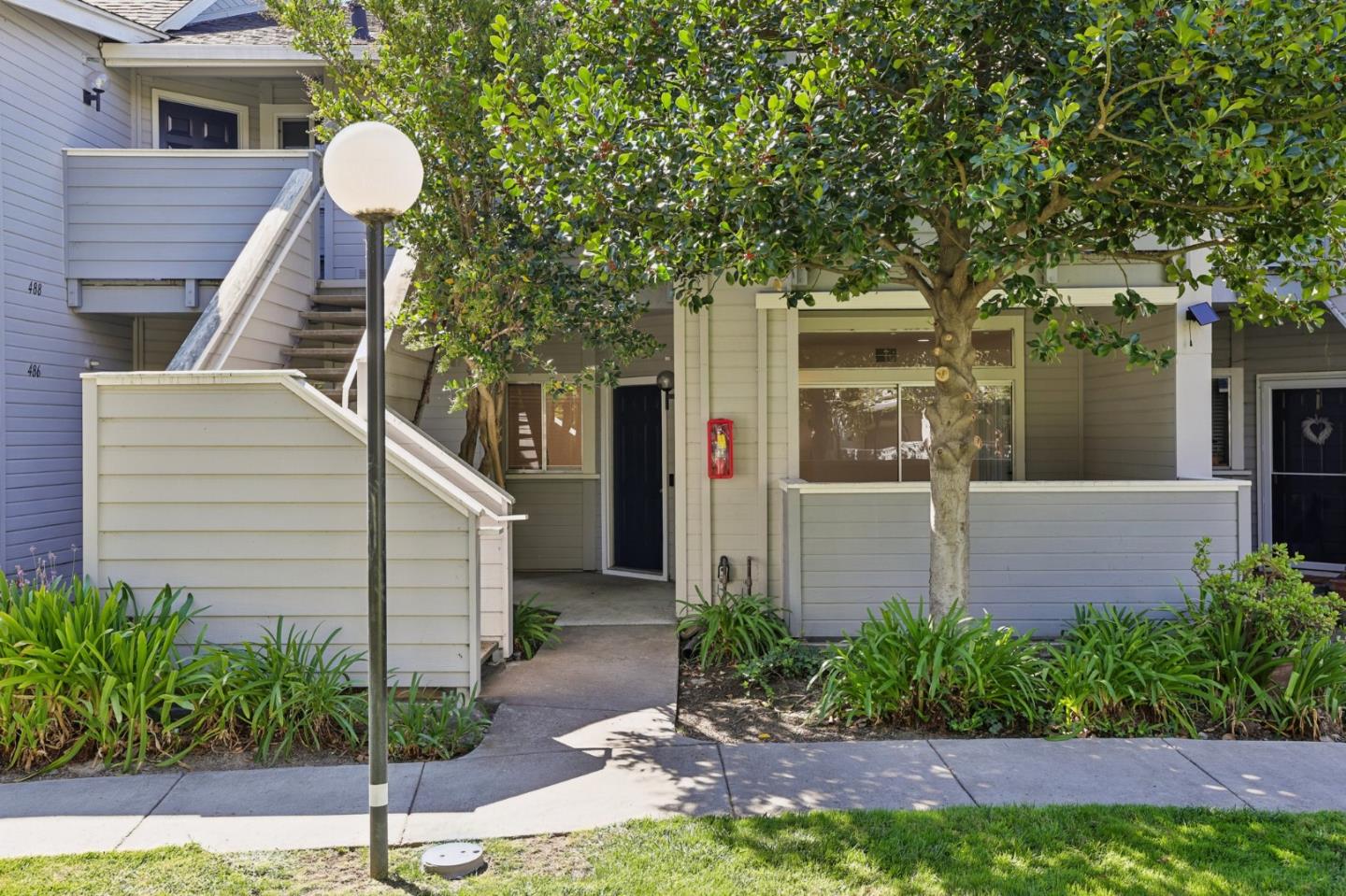
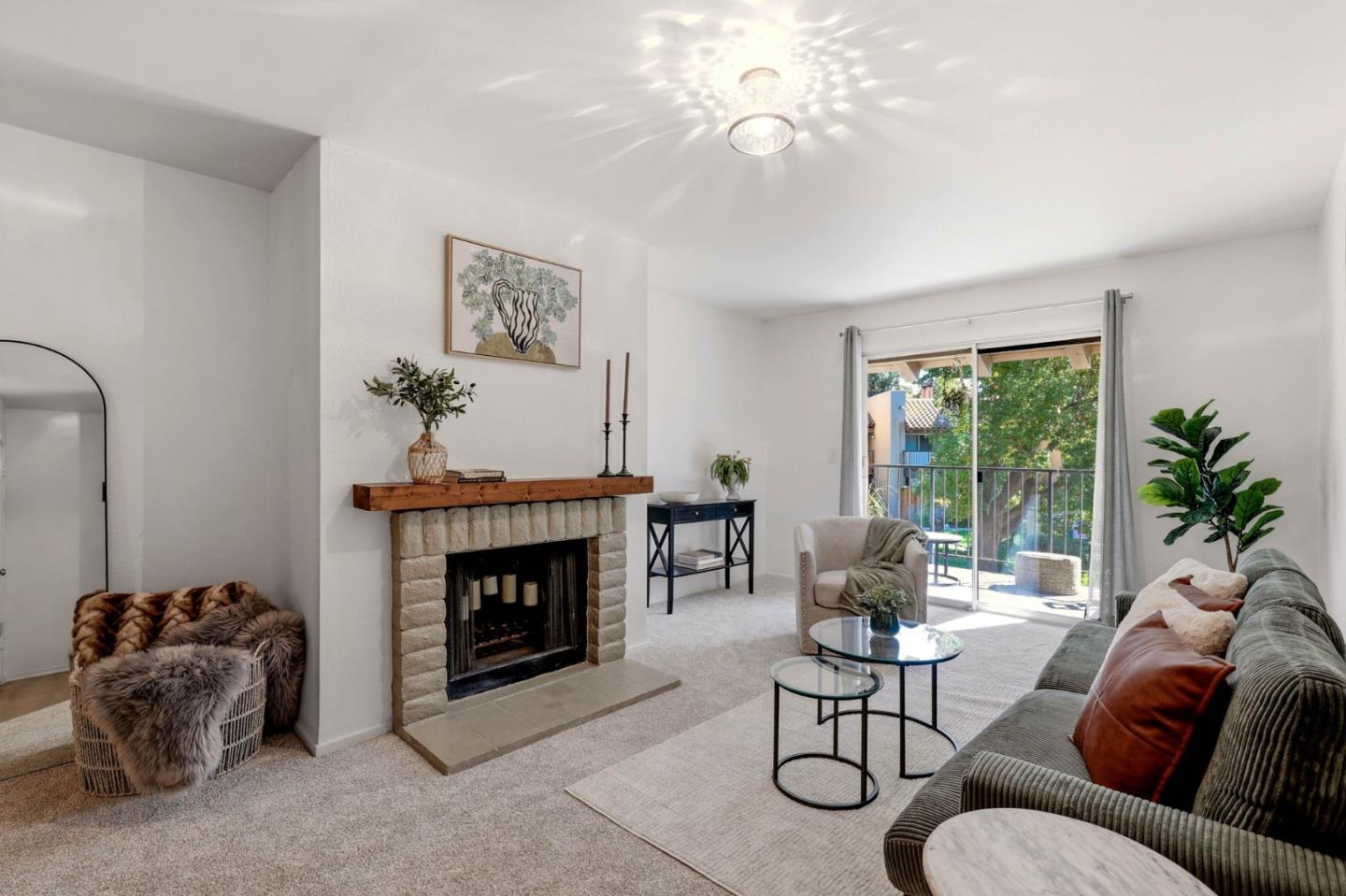
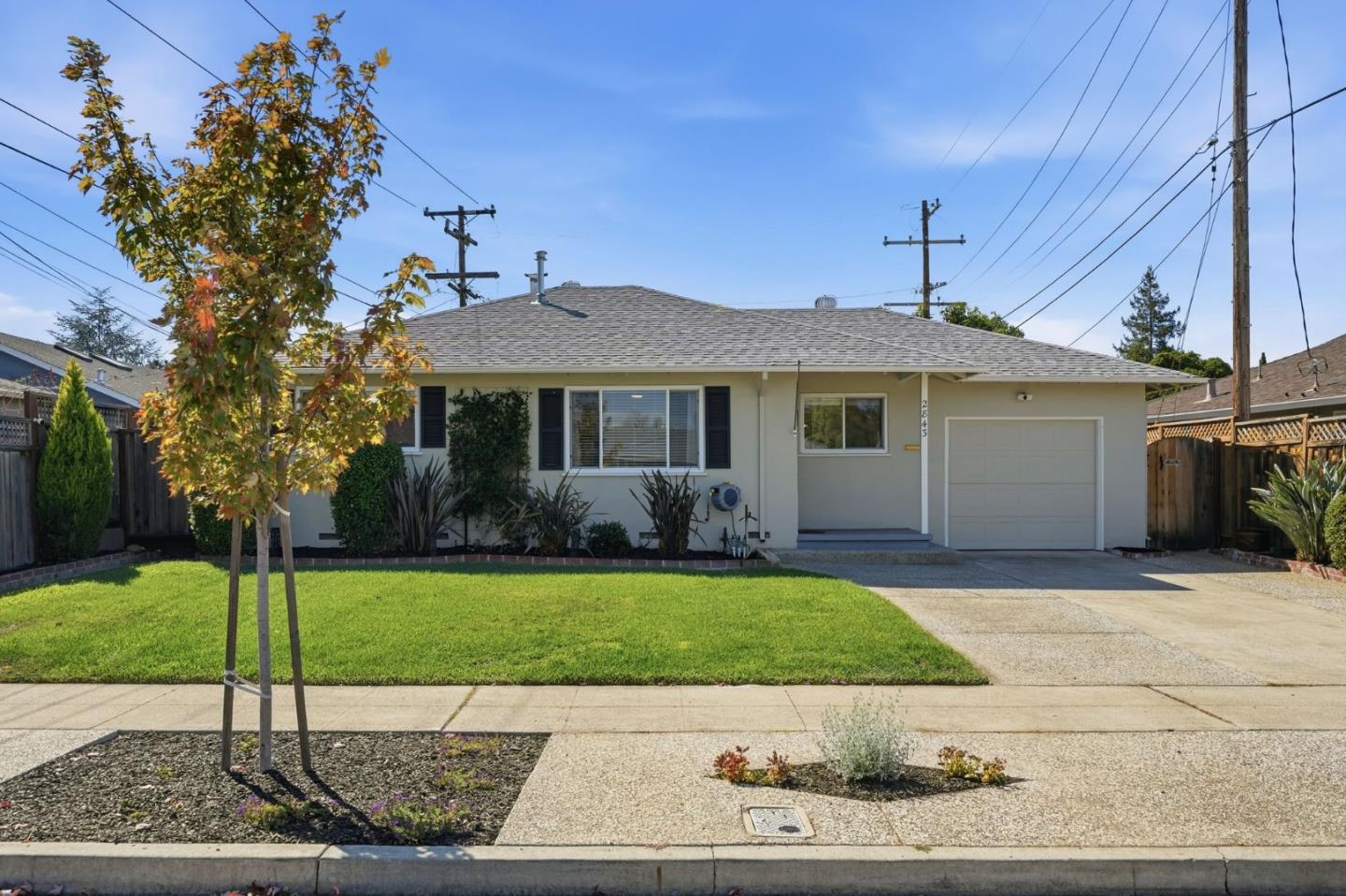
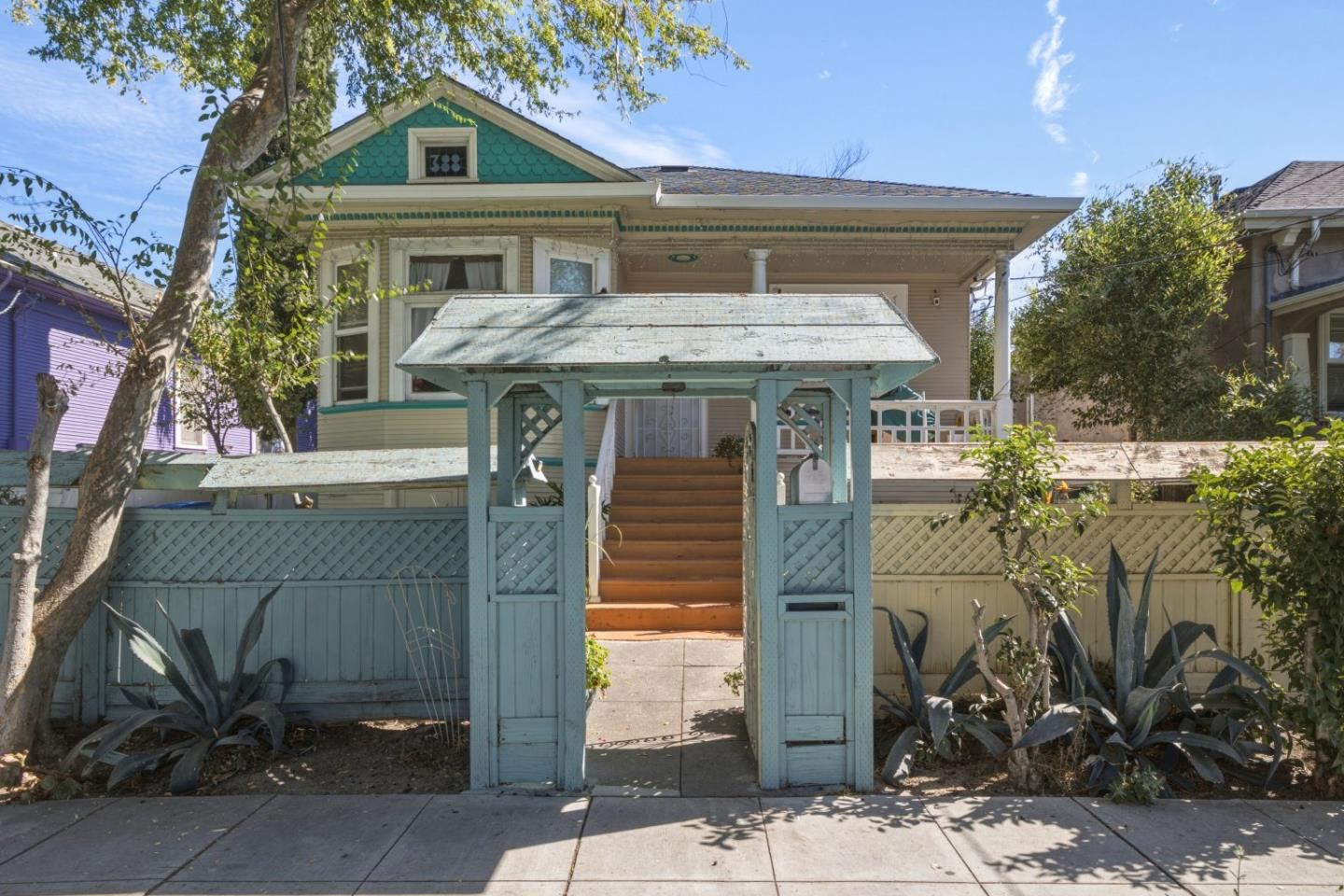
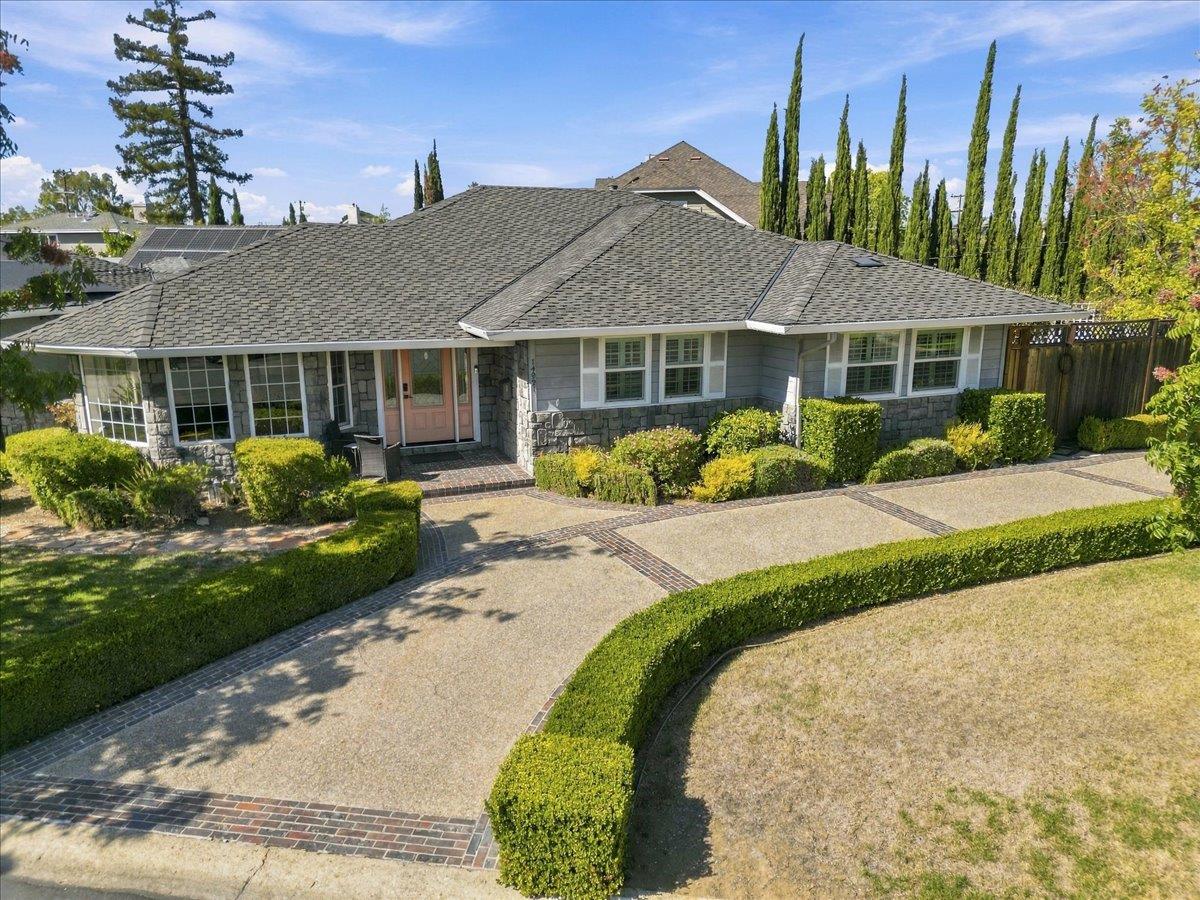
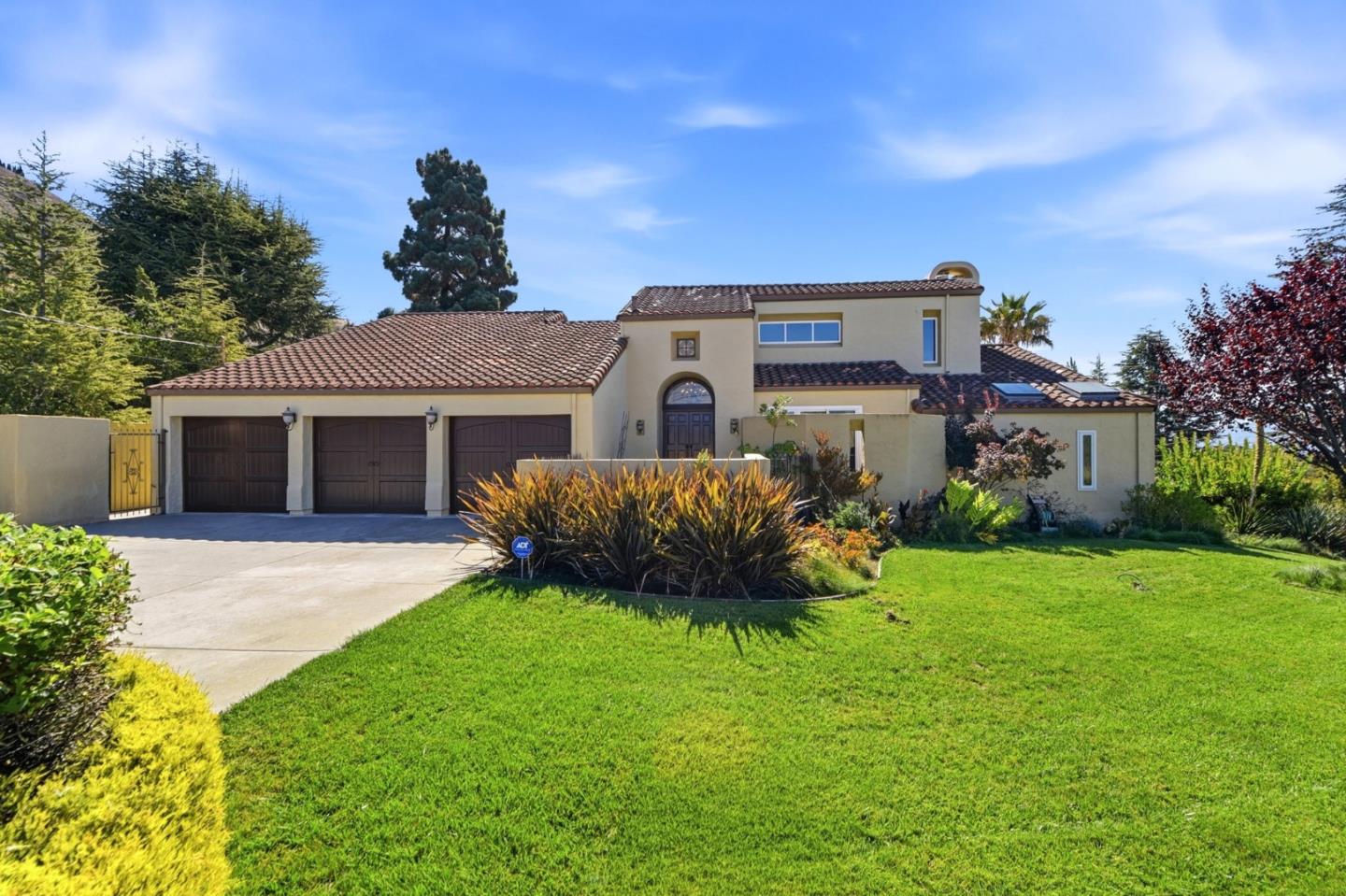
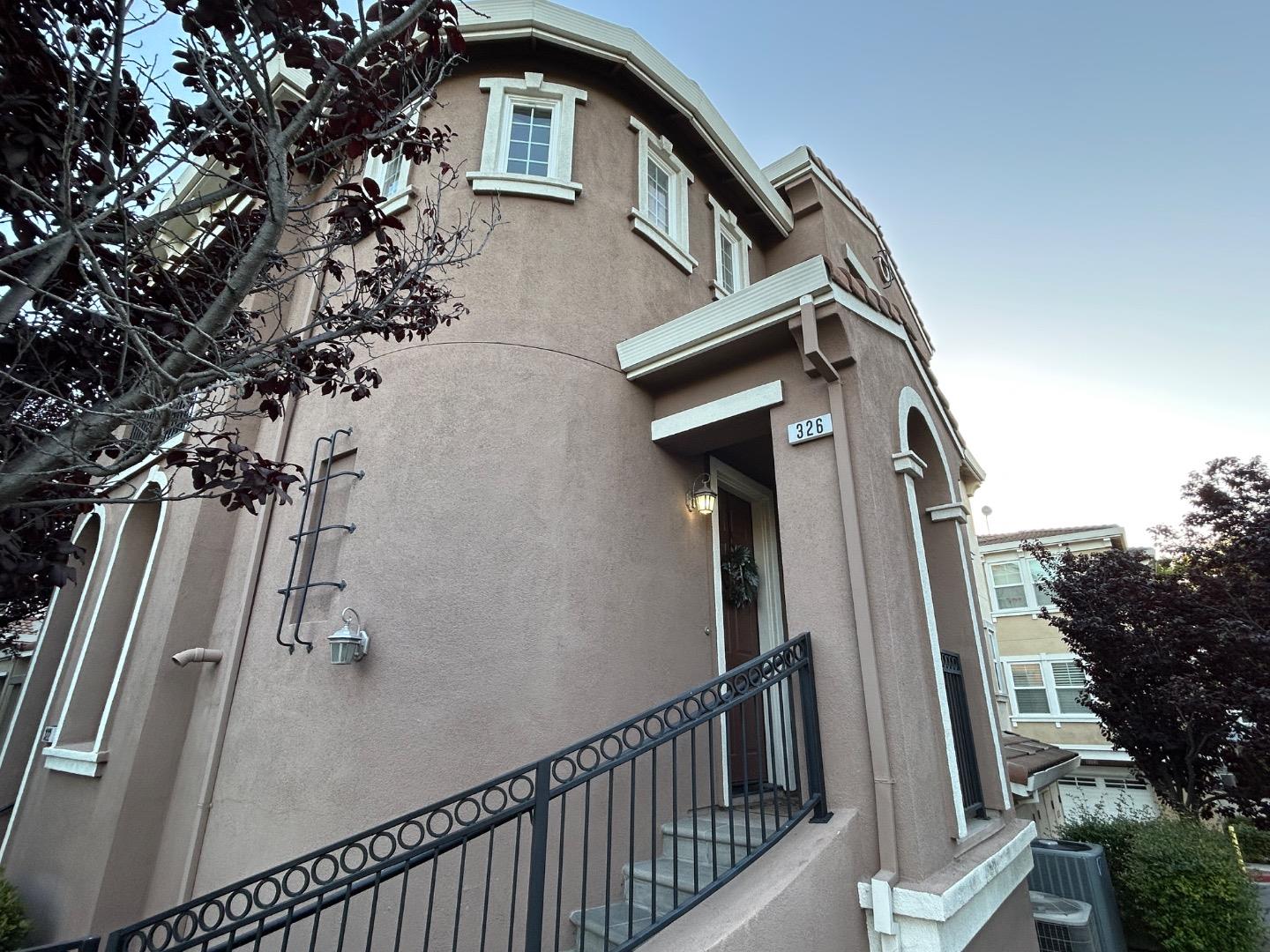
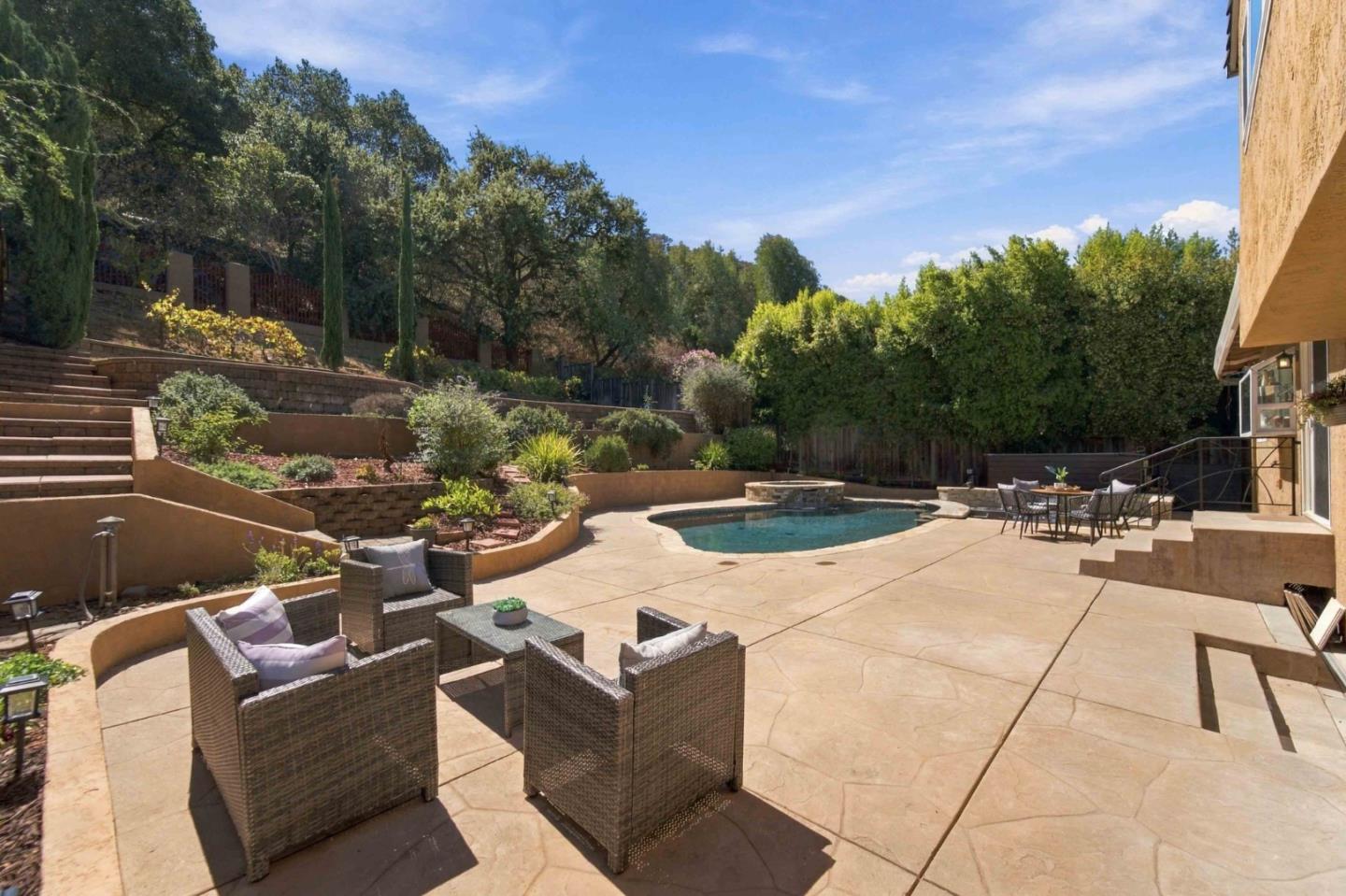
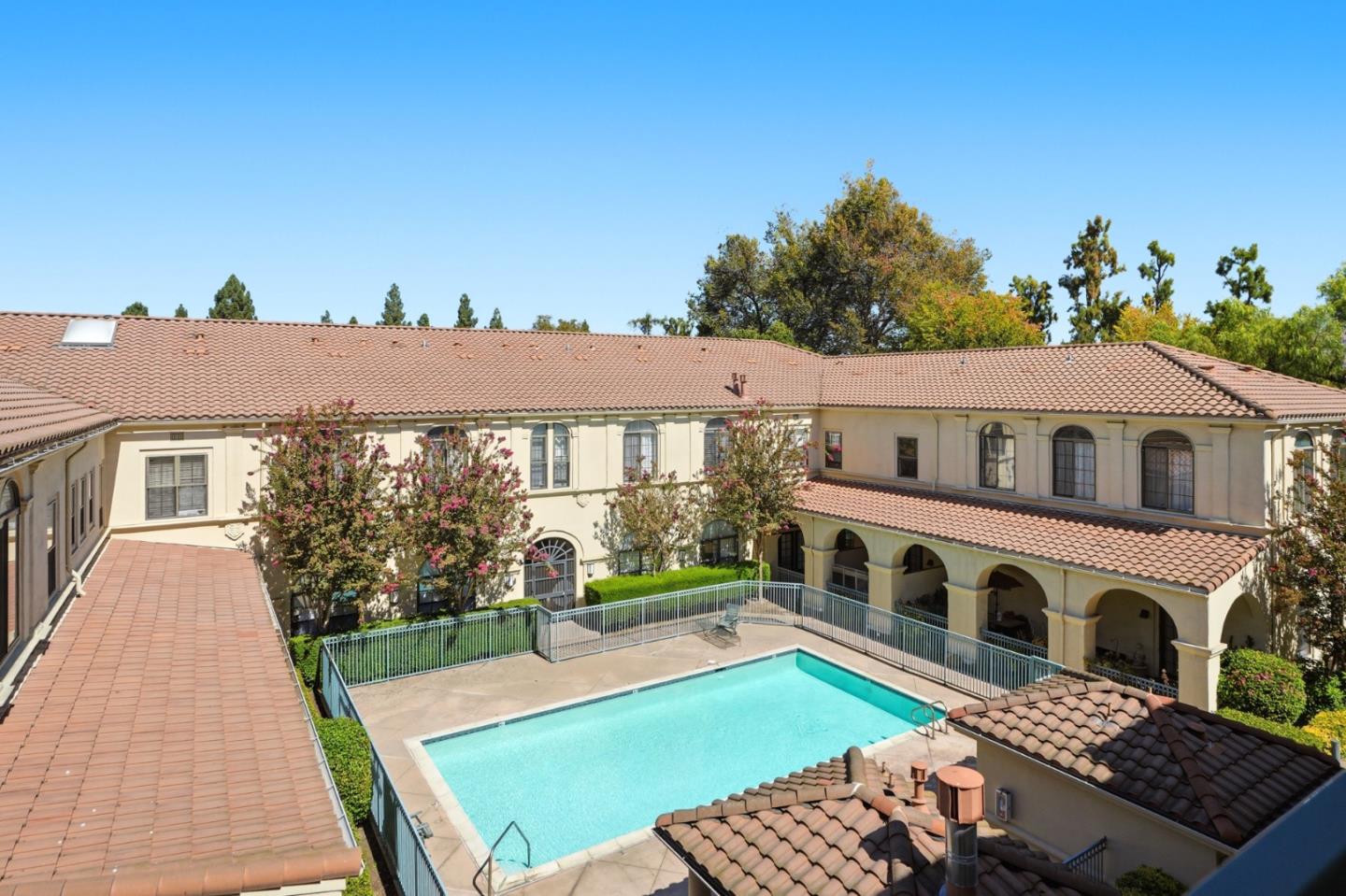
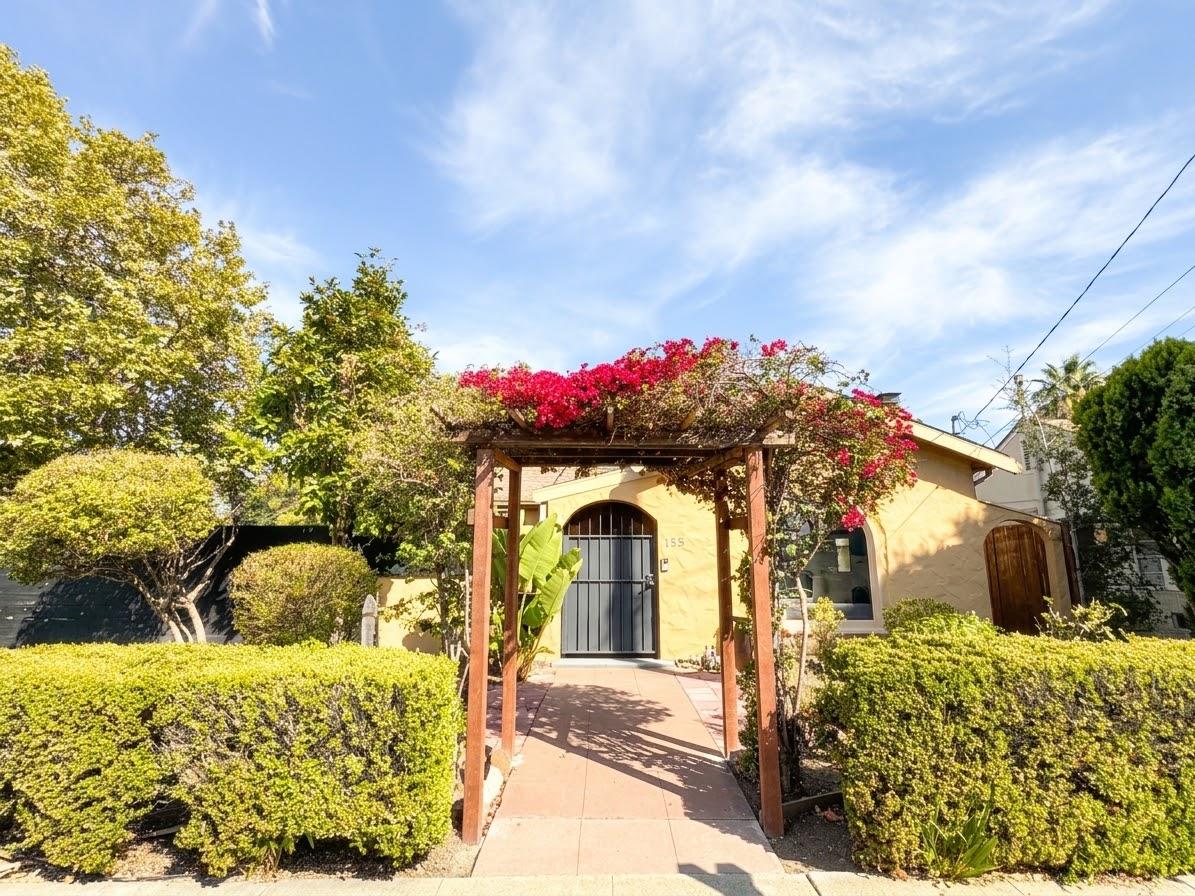
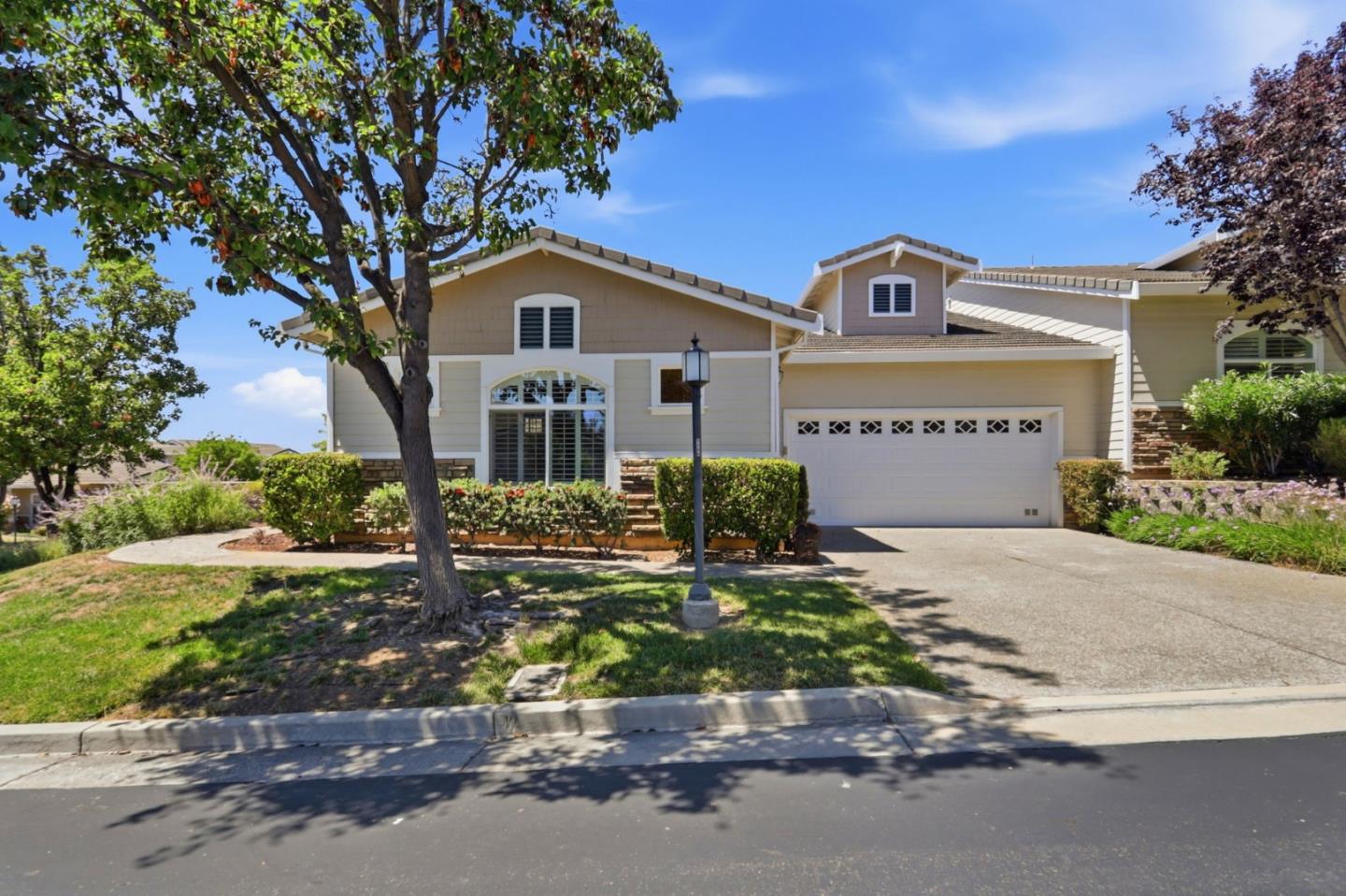
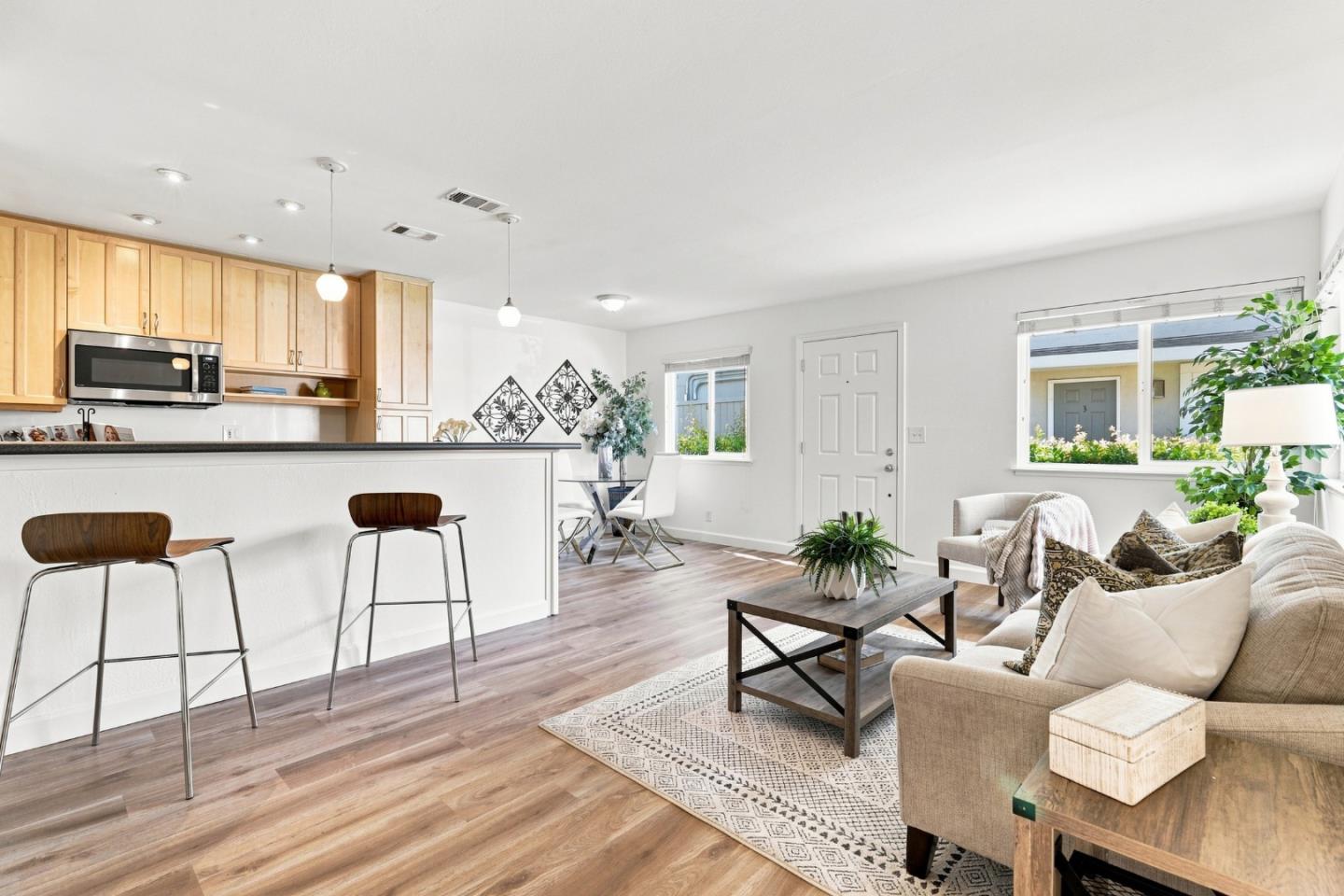
24 listings shown on this page · 1547 active in San Jose
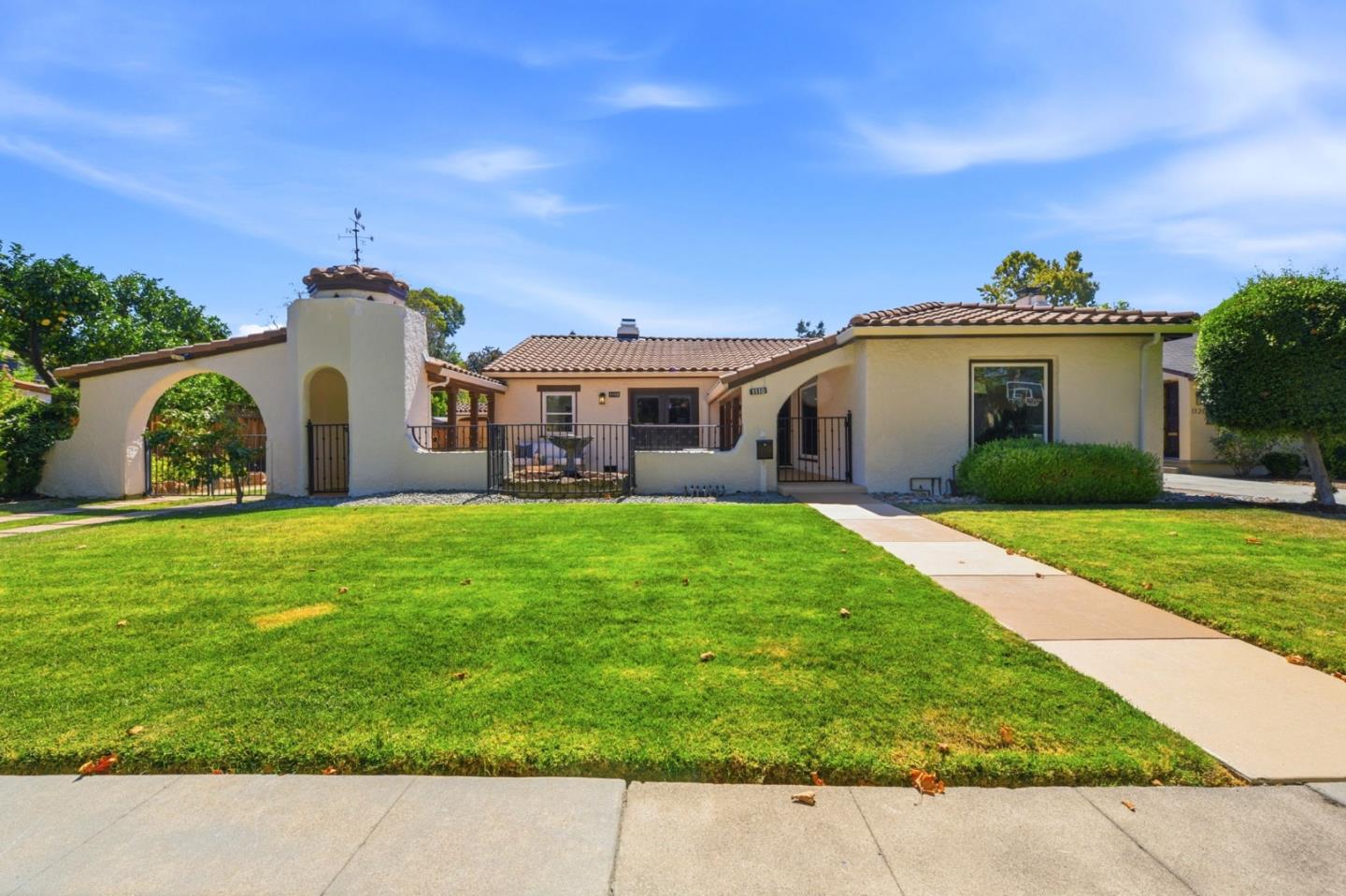
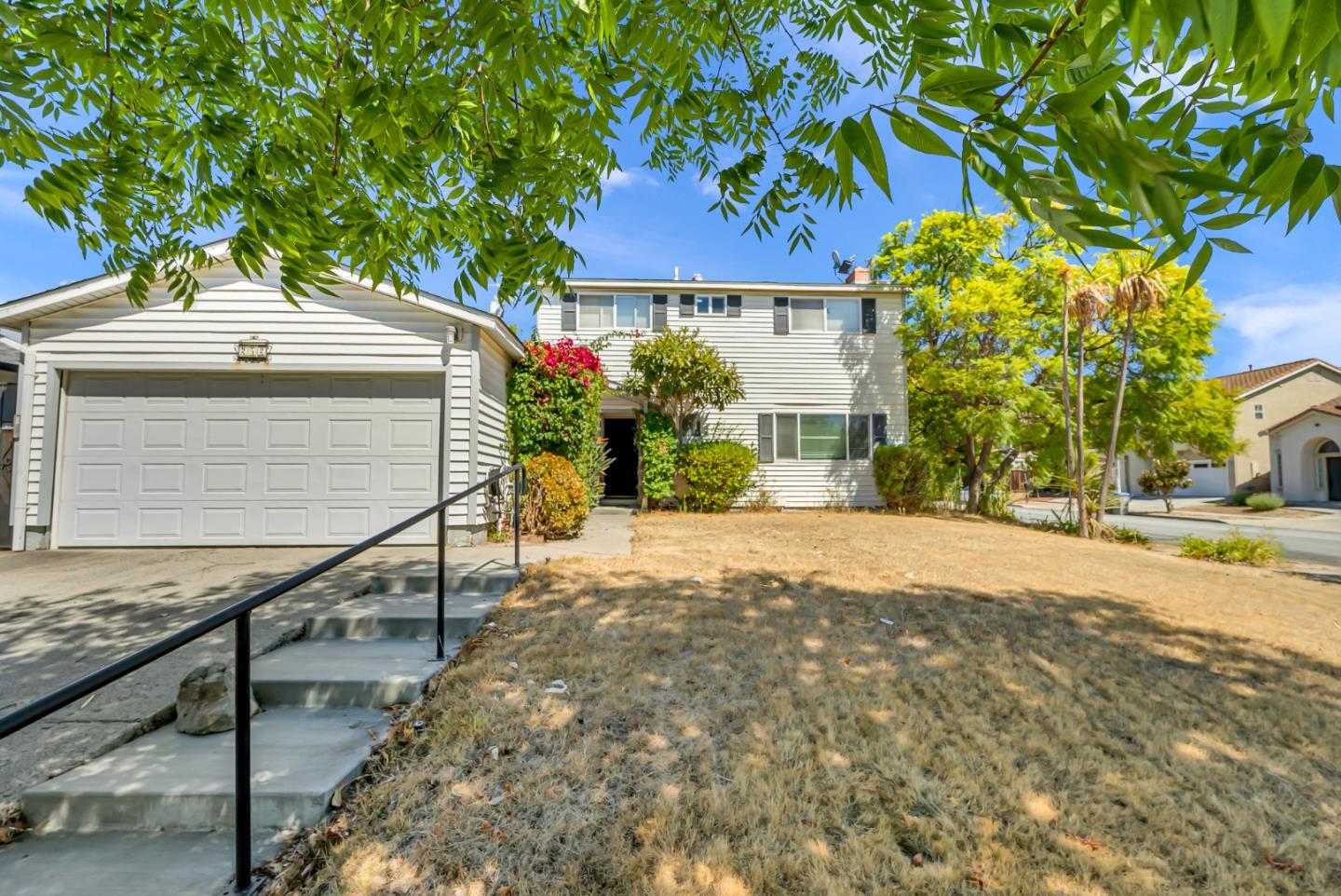
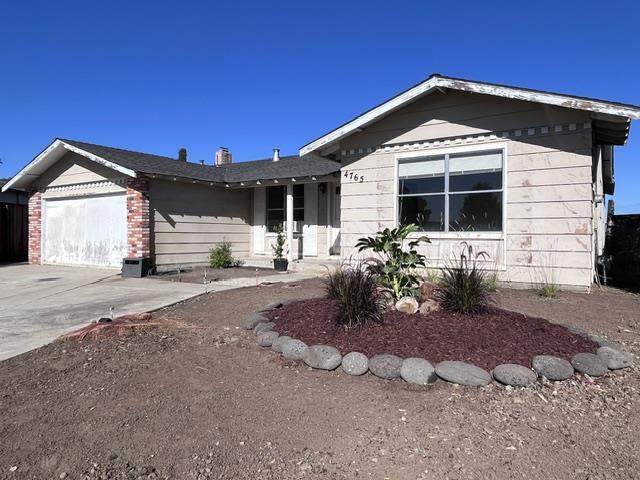
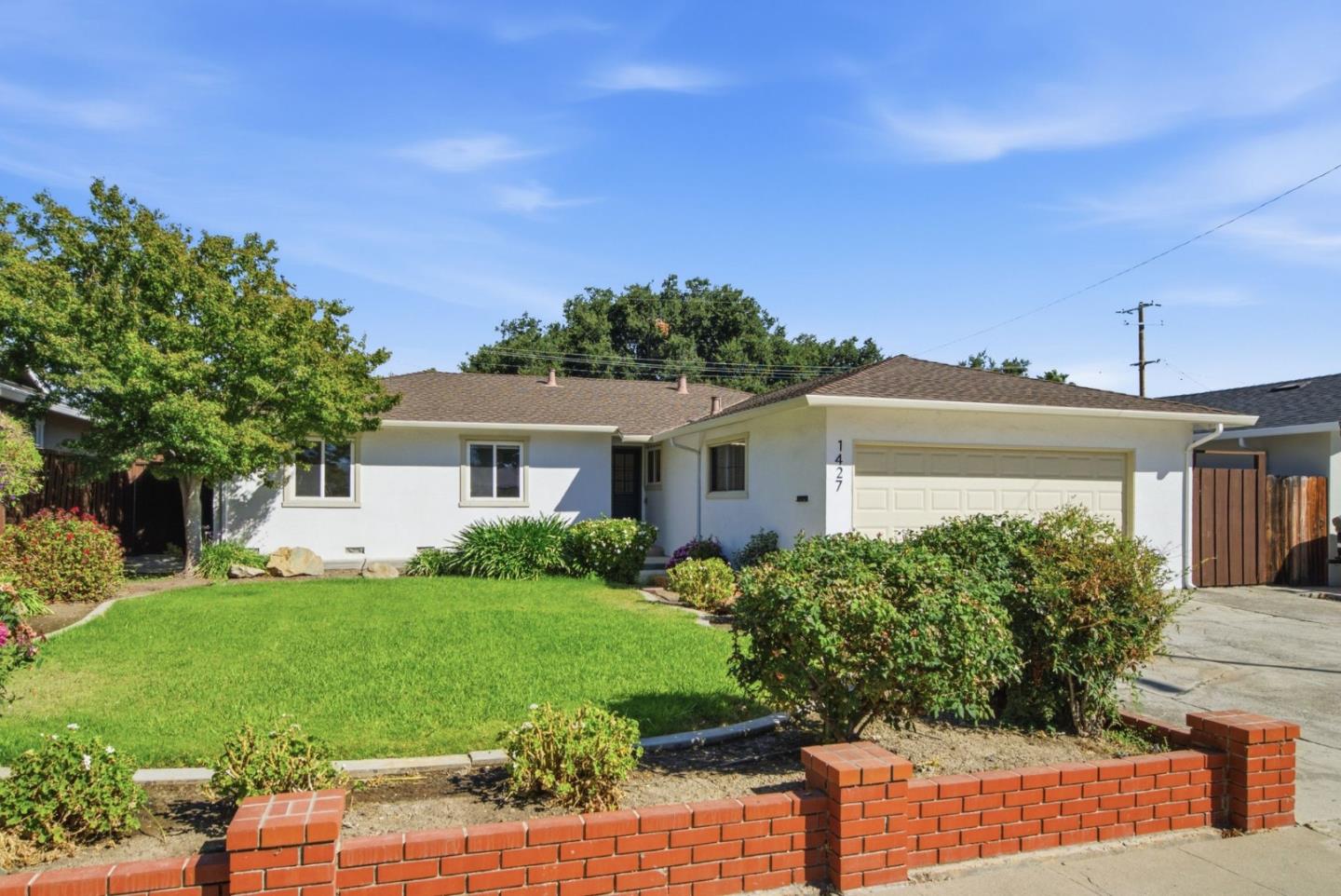

What did your neighbors actually pay?
I will send you the comparable closed sales behind that number for the streets you are shopping, not a county average.
Local intelligence
What buyers should know about San Jose
San Jose is a collection of neighborhoods, each effectively its own market.
Willow Glen centers on Lincoln Avenue with character single-family homes, walkability, and strong family demand. One of the most distinct lifestyle neighborhoods in the city.
Almaden Valley in the southwestern foothills features larger homes, custom construction, view properties, and feeder access to Almaden-specific schools. Among the highest-priced San Jose neighborhoods.
Cambrian includes established mid-century single-family neighborhoods with strong school assignments and a steady, family-driven buyer pool.
Rose Garden and Naglee Park near downtown offer historic homes, mature trees, and proximity to the urban core.
Evergreen in the eastern foothills includes substantial newer development, master-planned communities, and a meaningful share of larger homes.
Berryessa in the northeast offers established single-family neighborhoods with a diverse buyer pool and varying price points.
Silver Creek features gated communities, golf course frontage, and luxury construction in the southern foothills.
The Alum Rock and East San Jose neighborhoods include more accessible price points with significant variation in condition and street-by-street character.
Downtown San Jose condominium and townhome inventory provides urban living near the core with growing commercial and cultural amenities.
The Cupertino-adjacent / West San Jose areas feed into Cupertino Union school attendance areas in some sections - significant value driver for families.
San Jose offers a lifestyle that scales with the city. The downtown core includes the SAP Center, San Jose Museum of Art, the Tech Interactive, and a meaningful concentration of restaurants and cultural venues. Santana Row provides upscale shopping and dining. Willow Glen has its own walkable Lincoln Avenue downtown. Almaden Lake Park, Alum Rock Park, Vasona Lake County Park, Almaden Quicksilver County Park, and a substantial regional trail network provide outdoor access. The Coyote Creek Trail and Guadalupe River Trail both run through the city. For many buyers searching San Jose homes for sale, the lifestyle quality varies more by neighborhood than by city - choosing the right neighborhood is the lifestyle decision.
San Jose is served by multiple school districts - including San Jose Unified, East Side Union, Cambrian, Campbell Union, Cupertino Union, Evergreen, Oak Grove, Berryessa Union, and others depending on neighborhood. School quality varies significantly by district and by attendance area within districts. Families relocating to San Jose need to evaluate specific school assignments by exact address rather than assume citywide consistency - there is no such thing in a city of San Jose's scale. School-driven demand operates at different intensities across different neighborhoods, with the strongest premiums in feeder areas of the highest-performing districts.
About the city
About San Jose, CA
San Jose is the largest city in Northern California and the third-largest in the state, covering approximately 180 square miles and home to over 1 million residents. It anchors the southern end of the San Francisco Bay and serves as the seat of Santa Clara County. The city includes a vast range of geography - flat valley floor neighborhoods, foothill communities climbing into the Diablo Range and Santa Cruz Mountains, bay-edge industrial and residential areas, and a downtown core. Highways 101, 280, 680, 880, and 87 all run through San Jose along with Caltrain and VTA light rail. The city's scale and central position are part of why San Jose homes for sale attract a buyer pool more diverse than any other South Bay city - there is genuinely a San Jose neighborhood for nearly every Silicon Valley budget and lifestyle.
San Jose was founded in 1777 as the first civilian Spanish settlement in California and incorporated as a city in 1850. It served as California's first state capital and grew through agricultural, mid-century manufacturing, and post-war suburban phases before becoming the central anchor of Silicon Valley. The city includes a historic downtown along Santa Clara Street, a major university (San Jose State), the Santana Row commercial district, and dozens of distinct neighborhoods that each evolved as separate communities before annexation. San Jose CA homes reflect this history - buyers can find anything from 1880s Victorians in Naglee Park through Eichler tracts in Cambrian, mid-century ranches in Willow Glen, and contemporary luxury in Almaden and Silver Creek.
The housing stock in San Jose is more varied than any other South Bay city. Inventory spans late-19th-century Victorians and Craftsman bungalows in Rose Garden and Naglee Park, 1920s Spanish Revival homes in Willow Glen, post-war ranch homes throughout Cambrian and Berryessa, Eichler tracts in select neighborhoods, 1980s and 1990s tract development in Almaden and Evergreen, gated luxury communities in Silver Creek and the Almaden foothills, and substantial newer townhome and condominium construction across the city. Lot sizes vary enormously by neighborhood - from 4,000 square feet in dense central areas to multi-acre estates in the foothills. This variety is genuinely useful for buyers willing to invest in understanding their target neighborhood.
San Jose's population is the most diverse in Santa Clara County by every measure - ethnicity, income, education, household composition, and origin. The household income is approximately $135,000 citywide, but varies dramatically by neighborhood - from below the citywide average in some central districts to substantially above in Almaden, Silver Creek, Willow Glen, and other premium neighborhoods. The buyer pool reflects this diversity - first-time buyers, established families, tech professionals, healthcare workers, public employees, equity-relocators, and significant international buyer activity. Generalizations about San Jose buyers don't work - neighborhood-specific patterns do.
San Jose market at a glance
Market analysis
The San Jose market, by the numbers
| Property type | Active | Avg list price | Avg $ / sq ft | Avg closed price | Days on market |
|---|---|---|---|---|---|
| Single Family | 846 | $1,755,252 | $957 | $1,838,193 | 26 |
| Townhome | 211 | $1,120,573 | $704 | $974,165 | 38 |
| Condo | 407 | $697,499 | $623 | $663,653 | 45 |
Active counts, average list prices and average listing price per square foot: Sep 15, 2026 06:30 AM PT. Closed-price and reported days-on-market averages use eligible closings dated Aug 17, 2026 through Sep 15, 2026. Each average uses records with a valid input for that metric; only complete property-type rows are displayed.
Closed in San Jose, last 30 days
| Address | Sold price | Days | Closed |
|---|---|---|---|
| 1113 Pine AVEMLS ID #ML82038464, Krishna Desai. Listing provided by Realty One Group Infinity · MLSListings Inc. | $4,300,000 | 19 | Sep 14, 2026 |
| 170 Burning Tree DRMLS ID #ML82041648, Fred Wikkeling. Listing provided by Tola Properties · MLSListings Inc. | $1,300,000 | 102 | Sep 14, 2026 |
| 784 S Genevieve LNMLS ID #ML82047622, Elina Pournadi Shehni. Listing provided by Park Lane Capital Inc · MLSListings Inc. | $3,388,888 | 78 | Sep 14, 2026 |
| 3190 Golf DRMLS ID #ML82051388, Mark DeTar. Listing provided by Compass · MLSListings Inc. | $1,160,000 | 22 | Sep 14, 2026 |
| 800 N 8th ST 101MLS ID #ML82054516, Jenny Wu. Listing provided by Bay One Realty · MLSListings Inc. | $625,000 | 25 | Sep 14, 2026 |
| 244 Palacio Royale CIRMLS ID #ML82054711, Scott Kao. Listing provided by eXp Realty of Northern California, Inc. · MLSListings Inc. | $755,000 | 8 | Sep 14, 2026 |
| 144 S 3rd ST 629MLS ID #ML82055049, Ric Parker. Listing provided by Coldwell Banker Realty · MLSListings Inc. | $715,000 | 23 | Sep 14, 2026 |
| 5619 Mireille DRMLS ID #ML82055396, Lena Gustafsson. Listing provided by Compass · MLSListings Inc. | $2,210,000 | 7 | Sep 14, 2026 |
| 3180 Acorn WAYMLS ID #ML82055949, Dennis Moreno. Listing provided by MGM Real Estate · MLSListings Inc. | $1,880,000 | 22 | Sep 14, 2026 |
| 1361 Cabrillo AVEMLS ID #ML82056148, George Lee. Listing provided by Open Realty · MLSListings Inc. | $1,780,000 | 26 | Sep 14, 2026 |
455 eligible closed listings dated Aug 17, 2026 through Sep 15, 2026; showing 10 of the most recent listings with complete display data. Source MLSListings Inc. as of Sep 15, 2026 Pacific. Sold price is the closed price; list price is not shown.
For buyers
Buying in San Jose
You know how a lot of people get stressed when buying in San Jose - the city is huge, the neighborhoods are radically different from one to the next, the school districts vary widely, and it's hard to know where to even start. What we do is help buyers in San Jose homes for sale searches identify the right neighborhood and segment for their priorities, evaluate the trade-offs honestly - including commute, schools, condition, and lifestyle fit - and structure offers and due diligence that protect them in the specific micro-market they've targeted.
San Jose rewards buyers who narrow their focus early. The buyers who do well share three traits. They identify the neighborhood that fits their priorities - schools, commute, lot needs, lifestyle, budget - before they start touring broadly. They are pre-approved with current, liquid documentation. And they have neighborhood-specific comp data, not citywide averages, because what feels like a fair price citywide might be too high or too low for the specific block they're targeting. None of that is complicated. All of it is preparation. The buyers who close on the home they wanted are the ones who showed up focused on a defined sub-market with the right preparation for that sub-market.
For sellers
Selling in San Jose
You know how a lot of homeowners feel uncertain when selling in San Jose - they're not sure how to position relative to their specific neighborhood, they worry that citywide averages will mislead the appraisal or the buyer pool, and they want to capture the strongest possible price in the actual sub-market their home sits in. What we do is help sellers in San Jose CA homes position the property correctly within its specific neighborhood and segment, market it to the buyer pools actually shopping in that sub-market, and execute the transaction so the deal holds together.
The biggest opportunity sellers miss in San Jose is positioning relative to citywide averages rather than the specific neighborhood. A Willow Glen home is not comparable to a Cambrian home or a Berryessa home, even at the same square footage and bedroom count. Pricing strategy, staging approach, photography focus, and marketing channels all need to reflect the specific sub-market. Pre-listing inspections clear up issues that would otherwise cost negotiating leverage during escrow. Professional staging matters more in some San Jose segments than others. Getting positioning right at launch - within the right sub-market context - is the highest-leverage decision in the listing.
Questions
San Jose buyer and seller questions
Is San Jose a buyer's or seller's market right now?
The current San Jose market summary reports 3.8 months of inventory. That compares supply with the recent pace of sales. It does not show how many offers a particular property will receive; compare similar homes in the same price range and location.
What budget do I need to buy a home in San Jose?
Budget depends entirely on the neighborhood you're targeting. Downtown condominiums and East San Jose single-family homes sit at one tier; Berryessa, Cambrian, and established Willow Glen at higher tiers; Almaden Valley and Silver Creek at the upper end of the market; and gated and luxury foothill properties at the top. Beyond list price, plan for property taxes, HOA dues if applicable, and standard California insurance considerations - particularly higher rates for foothill or wildland-interface properties. A pre-tour strategy call clarifies which neighborhood and segment fit your situation before you start touring.
How fast do homes sell in San Jose?
The current San Jose market summary reports 30 days on market. This is a market statistic, not a forecast of when a particular home will go under contract. Evaluate its condition, pricing, competing listings and relevant closed sales.
Which San Jose neighborhoods should I focus on?
Most family-driven buyers focus on Willow Glen, Cambrian, Almaden Valley, Evergreen, parts of Berryessa, and the Cupertino-adjacent western neighborhoods, with selection driven by school priorities, lot needs, lifestyle preferences, and budget. The right neighborhood depends entirely on the household's specific situation - a 15-minute conversation usually narrows the realistic options faster than weeks of independent neighborhood research.
What schools serve San Jose?
San Jose is served by multiple school districts - San Jose Unified, East Side Union, Cambrian, Cupertino Union, Evergreen, Oak Grove, Berryessa Union, Campbell Union, and others depending on neighborhood. School quality varies significantly across districts and within districts. School assignments are determined by district boundaries - not by listing claims - and boundaries change. Contact the relevant district directly to verify current attendance areas for any specific address. Citywide statistics about school quality do not apply meaningfully - neighborhood-specific verification is essential.
What do I need before making an offer in San Jose?
Four things. First, your pre-approval needs to be current and liquid - even outside the most competitive neighborhoods, sellers scrutinize buyer strength. Second, you need neighborhood-specific comp analysis, not citywide averages - they will mislead you in either direction depending on the sub-market. Third, you need school district verification directly from the district. Fourth, you need a contingency strategy aligned with the specific neighborhood's market dynamics - what's appropriate in Almaden may not be appropriate in Berryessa or downtown. A pre-offer strategy call covers all four before you commit to a number.
Methodology
How these figures are calculated
Definitions, geographic scope and sample size
- Midpoint List Price: the midpoint statistic supplied in the market summary; this is distinct from an arithmetic average.
- Market summary figures: the sale price, price per square foot, days on market, sale-to-final-list ratio and months of inventory are supplied by the Aegis market summary using MLSListings data. The updater does not recalculate those figures. The supplied market summary labels its sold-data period as August 2026.
- Days on market: the reported market-summary value. The producer's record selection and start/end events have not been independently established in this updater; this value is not a promise of time to contract.
- Active Listings: the number of listings in the router's full eligible city set after its display-suppression check. Listing-card counts can be lower after the additional card display checks.
- New This Week: eligible active listings with a recorded on-market date in the router's seven-day window.
- Sold Recently: the router's rolling 30-day closed count. Its counting eligibility differs from the individually attributed sold rows. It is not a seven-day total.
- Property-type figures: arithmetic averages calculated here: list price and listing price per square foot from eligible active records; closed price and reported days on market from eligible closings in the dated window shown below the table. Missing values are excluded from the applicable average; incomplete rows are omitted.
- Individual closed sales: up to ten eligible listings with complete display values and attribution. The dates below the table describe the query window, not the age of the latest MLS synchronization. Unverified property destinations are displayed as plain text.
Property-type counts across all configured groups total 1462; the city headline is 1547. The scope or refresh difference has not been established. Bedroom counts across all configured groups total 1554; the city headline is 1547. The scope or refresh difference has not been established. Price-band counts across all configured groups total 1567; the city headline is 1547. The scope or refresh difference has not been established. ZIP 95110 has 63 listings in its search scope; a ZIP boundary is not the same as the MLS city field. ZIP 95111 has 64 listings in its search scope; a ZIP boundary is not the same as the MLS city field. ZIP 95112 has 70 listings in its search scope; a ZIP boundary is not the same as the MLS city field. ZIP 95116 has 53 listings in its search scope; a ZIP boundary is not the same as the MLS city field. ZIP 95117 has 26 listings in its search scope; a ZIP boundary is not the same as the MLS city field. ZIP 95118 has 65 listings in its search scope; a ZIP boundary is not the same as the MLS city field. ZIP 95119 has 27 listings in its search scope; a ZIP boundary is not the same as the MLS city field. ZIP 95120 has 63 listings in its search scope; a ZIP boundary is not the same as the MLS city field. ZIP 95121 has 45 listings in its search scope; a ZIP boundary is not the same as the MLS city field. ZIP 95122 has 37 listings in its search scope; a ZIP boundary is not the same as the MLS city field. ZIP 95123 has 121 listings in its search scope; a ZIP boundary is not the same as the MLS city field. ZIP 95124 has 87 listings in its search scope; a ZIP boundary is not the same as the MLS city field. ZIP 95125 has 153 listings in its search scope; a ZIP boundary is not the same as the MLS city field. ZIP 95126 has 71 listings in its search scope; a ZIP boundary is not the same as the MLS city field. ZIP 95127 has 65 listings in its search scope; a ZIP boundary is not the same as the MLS city field. ZIP 95128 has 46 listings in its search scope; a ZIP boundary is not the same as the MLS city field. ZIP 95129 has 42 listings in its search scope; a ZIP boundary is not the same as the MLS city field. ZIP 95130 has 11 listings in its search scope; a ZIP boundary is not the same as the MLS city field. ZIP 95131 has 50 listings in its search scope; a ZIP boundary is not the same as the MLS city field. ZIP 95132 has 50 listings in its search scope; a ZIP boundary is not the same as the MLS city field. ZIP 95133 has 53 listings in its search scope; a ZIP boundary is not the same as the MLS city field. ZIP 95134 has 23 listings in its search scope; a ZIP boundary is not the same as the MLS city field. ZIP 95135 has 81 listings in its search scope; a ZIP boundary is not the same as the MLS city field. ZIP 95136 has 107 listings in its search scope; a ZIP boundary is not the same as the MLS city field. ZIP 95138 has 35 listings in its search scope; a ZIP boundary is not the same as the MLS city field. ZIP 95139 has 9 listings in its search scope; a ZIP boundary is not the same as the MLS city field. ZIP 95148 has 35 listings in its search scope; a ZIP boundary is not the same as the MLS city field. In the headline source set: 0 listings have no recorded property type, 83 have a type outside the three displayed categories, and 0 have no usable bedroom count. These observations do not by themselves explain a facet difference.
Education
Schools in San Jose
Aegis School Excellence Index, for the city as a whole
School district and attendance boundaries change and are not tied to any individual property shown on this page. Confirm current boundaries directly with the applicable school district before making any decision.
What is it worth
A market report shows you San Jose. A CMA shows you your house.
Compare your San Jose home with relevant closed sales, current competition and its condition before choosing a price.




Broker note
A note from Timothy
"San Jose is the most misunderstood market in Silicon Valley because people treat it as one market when it's really fifteen markets in a trench coat. The buyers who succeed here are the ones who pick their neighborhood first, then shop within it. The sellers who succeed are the ones who position against their actual neighborhood comps, not against citywide averages. Citywide statistics are nearly useless for either side without neighborhood context."
Timothy Alston, Broker, Aegis Luxury Real Estate. DRE# 01328224.
(408) 207-4593 ·
[email protected]