Staging Your Palo Alto Home | What Would Your Neighbors Have Done Differently?
How decades of evolution shaped today's neighborhoods and why Palo Alto's story matters for your next move.

Timothy Alston | Broker
Aegis Luxury Real Estate · DRE# 01328224
Published
July 13, 2026
The Heart of Silicon Valley
As of July 2026, Palo Alto's average sale price reached $4.31M with homes closing at 103.6% of asking price in 12 days on market. Inventory currently stands at 55 active listings across Palo Alto.
Palo Alto Market Snapshot, September 2026
Live MLSSale price vs last year
Days on market vs last year
Inventory vs last year
Information is deemed reliable but is not guaranteed. Full Palo Alto market data →
89
Market Action Score
Strong Seller's Market
“ The history of a place tells you what it values. Palo Alto valued curiosity before it valued real estate, and that's still what makes the dirt here worth more than the gold ever was.
Timothy Alston | Broker, Aegis Luxury Real Estate
See all 55 active listings in Palo Alto
Updated every 15 minutes from MLS
134 Seale AVE
Palo Alto, CA 94301
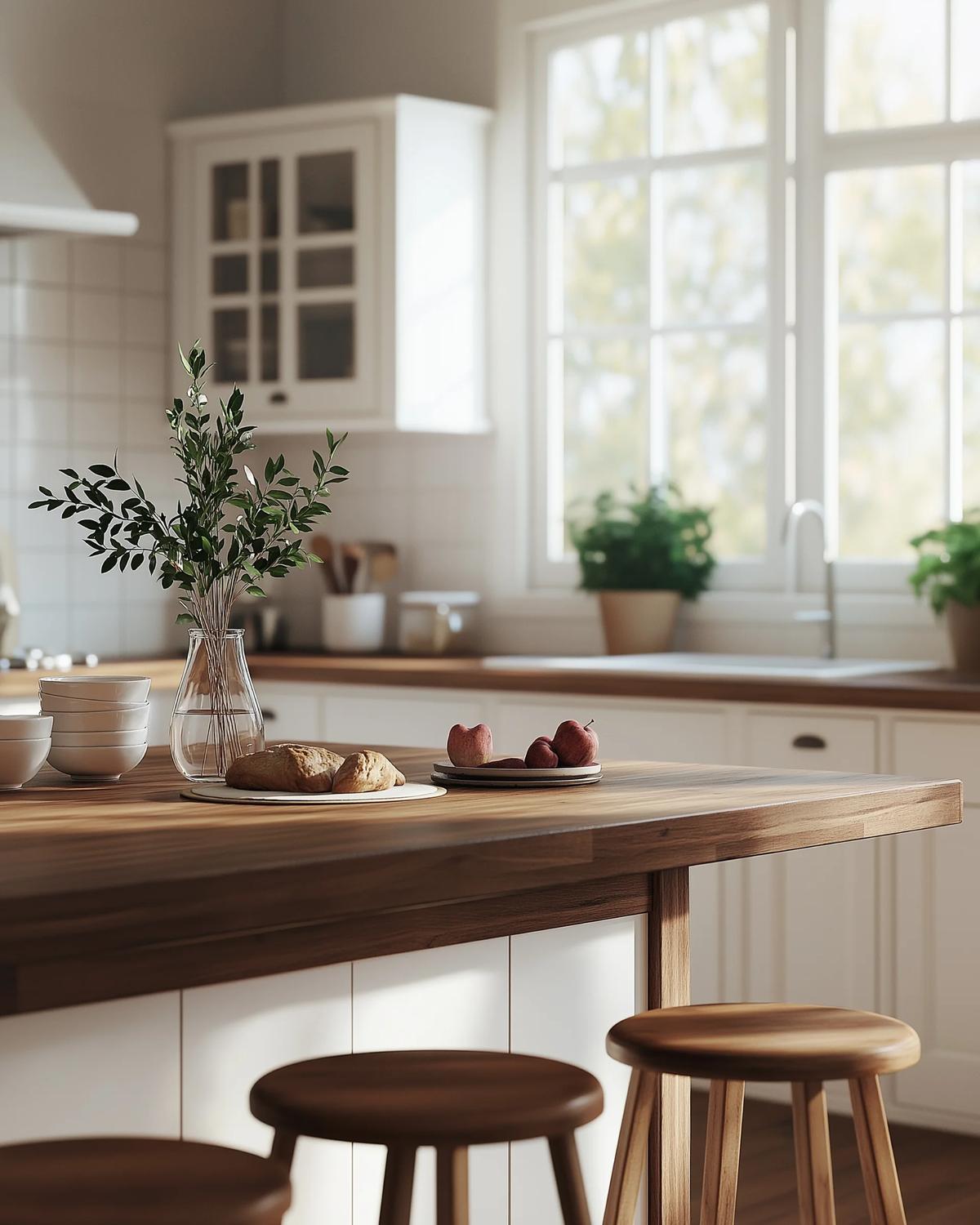
Staging your Palo Alto home before it hits the market is one of the most consequential decisions you will make in the entire selling process. Done well, it compresses days on market, deepens buyer emotional connection, and positions your property to attract serious, qualified offers. Done poorly, or skipped entirely, it leaves money on the table that no price reduction can fully recover.
Staging Your Home Through the Lens of Palo Alto's Rich Selling History
Palo Alto has been quietly setting the standard for residential presentation since the mid-twentieth century, when California ranch homes in neighborhoods like Crescent Park first drew buyers who expected both architectural character and immaculate condition. Even then, sellers who invested in thoughtful preparation consistently outperformed those who simply unlocked the front door and waited. That pattern has not changed. What has changed is the sophistication of today's buyers, who arrive having already toured your home virtually, studied your street in satellite view, and formed an opinion before they ever step onto your porch. The gap between a prepared home and an unprepared one is now more visible, and more consequential, than at any point in local real estate history.
In Palo Alto, the current average sale price is $4,308,980. With homes spending an average of 12 days on the market, staying informed on local trends gives both buyers and sellers a clear advantage.
Understanding that history matters because it reframes the question you should be asking. Rather than wondering whether staging is worth the effort, consider what happens when a buyer walks through a competitor property in Old Palo Alto that has been professionally staged and then tours yours the same afternoon. What story does your home tell by comparison? What unspoken conclusions does that sequence invite? These are not rhetorical concerns. They are the real decision drivers that shape offers, and they deserve serious thought before your listing goes live.
The Five Eras That Shaped How Palo Alto Buyers Evaluate Homes Today
To understand what works in presentation now, it helps to trace the five defining periods that shaped local buyer expectations. The postwar era of the late 1940s and 1950s brought a flood of professionals tied to Stanford University and early technology research, buyers who valued clean lines, natural light, and functional simplicity. The 1960s and 1970s introduced a design vocabulary built around open living spaces and indoor-outdoor flow, features that remain deeply desirable in zip codes 94301 and 94306. The 1980s boom rewarded sellers who invested in kitchen and bath upgrades, establishing a precedent that condition signals value in ways that pricing alone cannot. The dot-com era of the late 1990s accelerated the expectation that move-in ready meant truly move-in ready, not approximately ready. The post-2010 period cemented professional staging as a baseline expectation rather than a luxury add-on.
Each of these eras deposited a layer of expectation onto today's buyer. When you walk a well-prepared home in Midtown Palo Alto through its final pre-listing touches, you are not simply decorating rooms. You are speaking to every generation of assumption your buyer carries. That is a nuanced communication challenge, and it is worth approaching it with that level of intention. Read more insights on our blog
2015
Palo Alto crosses into the list of cities with an average single-family home price above two and a half million dollars. The old Mayfield cottages and the Professorville brown shingles now trade at multiples nobody would have forecast a generation earlier.
2005
Tesla Motors opens its first headquarters in Palo Alto. Along with Meta, Logitech, Intuit, and IDEO, Tesla joins a list of household-name tech companies that were founded or headquartered in the city, a roster almost no other American town can match.
1906
The April 18 earthquake rattles Palo Alto hard. Half the chimneys in town collapse and nearly every business suffers damage. Rather than crippling the city, the rebuild cements a reputation for being a safer, more planned alternative to shaken San Francisco, and population growth accelerates from that year forward.
Active in Palo Alto Right Now
3 of 90 active listings · refreshed every 15 minutesPalo Alto, CA 94306
Palo Alto, CA 94301
Palo Alto, CA 94301
What Most Sellers Misunderstand About Buyer Psychology at First Impression
Here is a question worth sitting with before you schedule your first showing. When a buyer feels uncertain about a home the moment they enter, does additional information resolve that uncertainty, or does it deepen it? The answer, consistently, is that it deepens it. First impressions are not overwritten by square footage disclosures or feature sheets. They calcify. This is exactly why staging your home with the first-impression sequence in mind, from the curb to the entry to the primary living space, produces outcomes that no amount of price negotiation can replicate after the fact.
Many sellers in Palo Alto approach staging as a cosmetic exercise, a matter of removing clutter and lighting candles before an open house. The sellers who consistently achieve the strongest outcomes treat it as a translation problem. Your home means something specific to you, shaped by years of memory and personal investment. A buyer sees something different. Your job is to bridge that gap so deliberately that the buyer begins to imagine their life unfolding inside your walls within the first ninety seconds. If you have any doubt about whether that translation is happening, the concern is worth exploring before you list rather than after.
Sellers who have hesitated to invest in professional staging sometimes say they worry it will feel inauthentic, or that buyers will see through it. That concern, while understandable, tends to dissolve when you reframe what staging actually does. It does not pretend your home is something it is not. It removes the noise that prevents buyers from seeing what your home genuinely is. The difference matters, and it matters in measurable ways.
Room-by-Room Priorities That Reflect Palo Alto Buyer Expectations
Not every room carries equal weight in the buyer's mental ledger. Palo Alto buyers, shaped by decades of exposure to thoughtfully designed homes near Stanford University and surrounding corridors, apply an informal hierarchy when they walk a property. The living room and primary bedroom carry the most psychological weight because they anchor the buyer's sense of how daily life would feel in the home. The kitchen follows closely, not simply as a functional space but as a social nucleus. Outdoor living areas have grown substantially in importance since roughly 2020, as buyers began placing a premium on usable exterior square footage that extends the interior's livability.
What this hierarchy tells you practically is that your staging investment should follow the same sequence. Devote the greatest attention and budget to the spaces that will generate the strongest emotional response, then support those anchors with cohesive presentation throughout the rest of the property. A beautifully staged living room loses some of its power if the hallway leading to it feels neglected. Consistency creates confidence, and buyer confidence is the direct precursor to competitive offers.
Schools in Palo Alto are broadly recognized as a significant draw for families relocating to the area. It is worth noting, as always, that school attendance boundaries change and that buyers must verify enrollment eligibility for any specific address directly with the Palo Alto Unified School District. Families who prioritize educational access as part of their relocation decision tend to be highly motivated buyers, which means your home's presentation must meet the high standards that motivated buyers bring to their evaluation. Review the National Association of Realtors staging research at
Ventura
Small south-central neighborhood bounded by El Camino Real and Park Boulevard, with a diverse mix of older bungalows and newer redevelopment projects. Lower historic price point than the north Palo Alto neighborhoods, though still tightly tied to Palo Alto Unified schools.
Professorville
Historic neighborhood founded in 1891 by a group of young Stanford professors who wanted to own their land rather than lease it from the university. Streets lined with brown-shingled Craftsmans, Dutch Colonials, Queen Annes, and Colonial Revivals. The HP Garage at 367 Addison Avenue sits inside these blocks, the literal Birthplace of Silicon Valley.
Palo Verde
Established south Palo Alto neighborhood organized around Palo Verde Elementary and Mitchell Park. Predominantly single-story post-war homes on consistent mid-sized lots, with demand pinned firmly to the elementary boundary and the park's library and community center.
Consider This
Are you maximizing your Palo Alto property's value, or could targeted improvements add significant equity?
Want to talk through your Palo Alto options? 15-minute strategy call, no obligation.
Schedule a Call →If you are selling a Palo Alto home near Stanford, time your listing to coincide with the academic hiring cycle when new faculty and administrators are relocating.
The Decluttering and Depersonalization Timeline Serious Sellers Follow
One of the most consistent patterns among successful Palo Alto sellers is that they begin the decluttering and depersonalization process earlier than they initially believe necessary. The instinct is to wait until the weeks immediately before listing. The reality is that this compressed timeline creates stress, leads to shortcuts, and frequently results in personal items being stored rather than removed, which undermines the spaciousness that staging depends on. Buyers touring a home in Crescent Park or the Downtown Palo Alto corridor expect a level of visual serenity that takes more time to achieve than most sellers anticipate.
The practical guidance here is to think in terms of six weeks minimum before your target list date. Use the first two weeks to identify and remove items that will not serve your staging plan. Spend the next two weeks addressing deferred maintenance that a buyer or inspector will notice. Reserve the final two weeks for professional staging, photography, and final refinements. This timeline is not about perfection for its own sake. It is about ensuring that when a buyer walks through your front door, every sensory input they receive reinforces the same message: this home has been cared for, and it is ready for you.
A question worth asking yourself honestly is whether the current condition of your home tells the story you want it to tell. If you walked in as a stranger, what conclusions would you draw? What would you wonder about? What would give you pause? The answers to those questions are more valuable than any comparable sale data, because they reveal the gap between where your presentation is and where it needs to be.
Choosing the Right Professional Staging Approach for Your Property
Not every property requires the same level of staging investment, and understanding the distinction will help you allocate resources where they generate the greatest return. Vacant homes almost always benefit from full professional staging with furniture and accessories, because empty rooms create an abstract experience that buyers struggle to emotionally inhabit. Occupied homes often need a hybrid approach, one that retains select personal furnishings that work within the staging plan while introducing professional pieces and accessories to elevate the overall presentation.
The consultative question to ask any staging professional you are considering is simple. What does this specific home need to connect with its most likely buyer, and how does that connect to the current Palo Alto market environment in 2026? A staging professional who answers that question with specificity, referencing the home's architecture, its neighborhood context, and the profile of buyers actively searching in that price range, is offering a fundamentally different service than one who applies a generic template. The difference in outcome often reflects the difference in approach.
Staging your home thoughtfully is ultimately an act of respect toward the buyers who will walk through it. It signals that you have considered their experience, prepared your property with care, and priced it within a context of genuine value. Buyers respond to that signal, often without consciously articulating why. The homes that generate the deepest competition in Palo Alto tend to be the ones where every element of the presentation has been considered, not as a manipulation, but as a genuine communication of what the property offers. That is the standard worth aiming for, and it is achievable with the right preparation and the right guidance.

Browse Palo Alto Real Estate
Live counts · refreshed every 15 minutes from MLS
Get the Complete Palo Alto Market Report
Monthly data, neighborhood breakdowns, price trends, and insider analysis delivered to your inbox.
Send Me the Report →Buyers traveling in summer should set up automated alerts and keep their agent authorized to schedule tours quickly. Hot listings don't wait for you to get back from vacation.
Palo Alto Market FAQ
Palo Alto has robust rental demand from Stanford affiliates, tech professionals, and venture capital firms. Rental prices are among the highest in the South Bay, making well-located investment properties highly productive.
Palo Alto is one of the most family-oriented cities on the Peninsula, with top-rated schools, extensive parks and recreation programs, and a safe, community-focused environment. The Junior Museum, Mitchell Park Library, and numerous youth sports programs add to the family appeal.
Palo Alto offers the Baylands Nature Preserve, Foothills Park (now open to non-residents), and the Arastradero Preserve for hiking and nature exploration. Stanford campus and the Dish trail are also popular outdoor destinations.
Still have questions about Palo Alto?
I've helped hundreds of families buy and sell in Palo Alto. Happy to share what I'm seeing in your specific neighborhood.
What's Your Palo Alto Home Worth Right Now?
Get a confidential home valuation based on current MLS data and neighborhood-specific factors.
Get My Home Value →Schools in Palo Alto
Aegis School Excellence Index · 2024-25 performance data
Serving districts: Palo Alto Unified SD (K-12). School district boundaries can change; please verify current enrollment boundaries and program offerings directly with the school district.
Looking for homes in Palo Alto?
Get personalized listing alerts delivered to your inbox. Be the first to know about new homes that match your criteria.
Get Palo Alto Listing Alerts →Community Resources
Palo Alto Essential Services
Official Sources
Buying or Selling in Palo Alto?
Get the data, the strategy, and the introductions before the rest of the market sees them.
Schedule a Conversation →
Timothy Alston
Broker · DRE# 01328224 · Aegis Luxury Real Estate
Copyright © 2026 MLSListings Inc. All rights reserved.
The data relating to real estate for sale on this display comes in part from the Internet Data Exchange program of the MLSListings™ MLS system. Real estate listings held by brokerage firms other than Aegis Luxury Real Estate are marked with the Internet Data Exchange icon and detailed information about them includes the names of the listing brokers and listing agents.
Based on information from the MLSListings MLS as of July 2026. All data, including all measurements and calculations of area, is obtained from various sources and has not been, and will not be, verified by broker or MLS. All information should be independently reviewed and verified for accuracy.
These statistics are generated using information from the MLSListings Inc. multiple listing service, but have not been verified and are not guaranteed. MLSListings Inc. disclaims any responsibility for the accuracy and reliability of these statistics. Full Palo Alto market data →
Data updated every 15 minutes. Visit www.MLSListings.com for more information.
Aegis Luxury Real Estate · 10080 N. Wolfe Rd Ste SW3-200, Cupertino CA 95014 · DRE# 01328224
This article is for informational purposes only and does not constitute financial, legal, or tax advice. Equal Housing Opportunity.